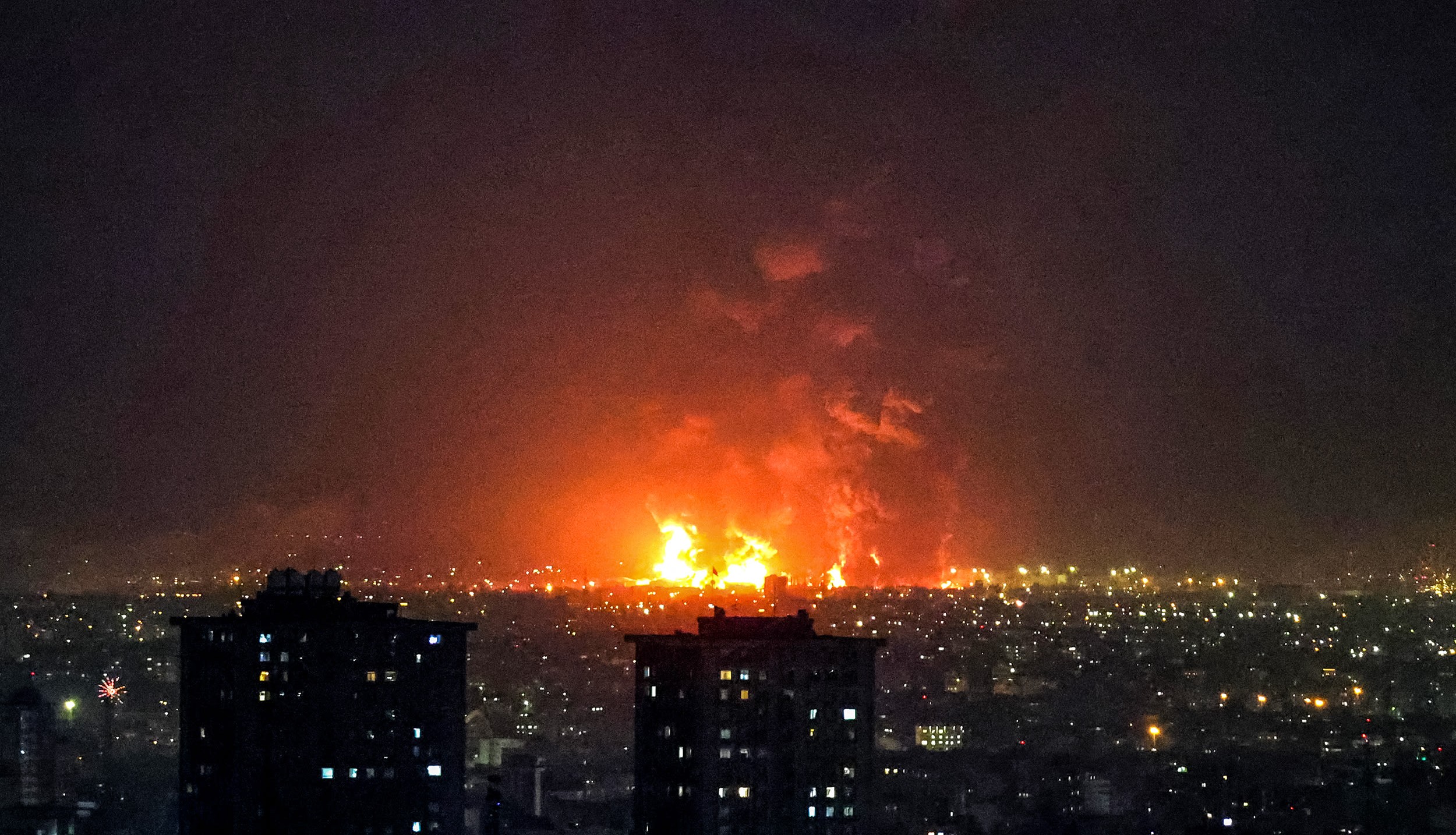
Oil tankers play a vital role in keeping the global economy functioning smoothly, as they transport vast quantities of crude oil and refined petroleum products across oceans and international sea routes every single day. These shipments supply energy to industries, power transportation systems, and support everyday life around the world. Because oil is not just an economic resource but also a strategic and politically sensitive commodity, its production, transportation, and trade are carefully tracked and regulated by governments and international bodies.
The United States, being one of the most influential economic, political, and military powers globally, actively uses tools such as economic sanctions and maritime law enforcement to protect its national interests and shape the behavior of other states. Sanctions are often imposed on countries accused of violating international norms, pursuing prohibited weapons programs, or engaging in actions considered destabilising to global security.
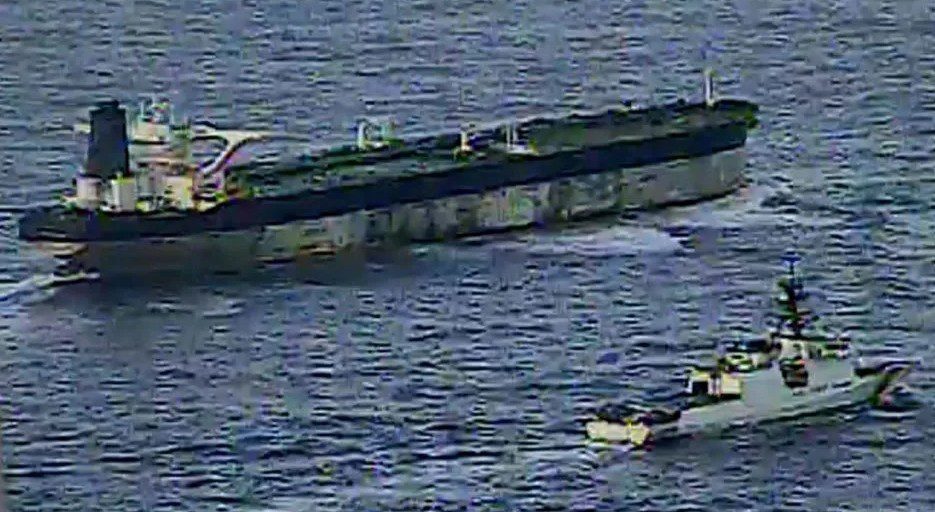
In several notable incidents, the U.S. has taken control of oil tankers that were allegedly involved in breaching international sanctions. These cases have frequently involved shipments linked to sanctioned nations such as Iran, Venezuela, and North Korea, which face restrictions on oil exports and imports. The seizure of such vessels is intended to prevent illegal oil trade, disrupt sanctioned economies, and enforce compliance with international regulations.
These operations are carried out in different ways. In some situations, U.S. naval forces directly intercept and seize tankers at sea. In other cases, the U.S. works in coordination with allied governments, international maritime authorities, and port officials to detain vessels when they enter foreign ports or territorial waters. Through these actions, the U.S. seeks to assert control over maritime trade routes and reinforce the enforcement of global sanctions regimes.
Legal and Strategy-Based Reasons
The U.S. government usually explains tanker seizures by saying they are legally justified. It claims that the ships or the oil they carry are connected to activities such as breaking U.S. or international sanctions, illegally trading oil to fund sanctioned governments, committing fraud or money laundering, using fake shipping documents, or supporting terrorism or hostile state actions. Under U.S. laws—especially sanctions enforced by the Treasury Department and the Department of Justice—oil cargo linked to sanctioned groups can be seized even if the tanker is registered under another country’s flag.
Reactions of Affected Nations
Countries whose oil shipments are seized usually react with strong criticism toward the United States, describing such actions as unlawful, one-sided, or even “economic piracy.” They maintain that U.S. sanctions have no international authority unless they are endorsed by the United Nations.
In response, some governments have taken retaliatory steps, such as:
Holding foreign vessels within their territorial waters
Issuing threats to interfere with major shipping routes
Pursuing legal cases in international courts
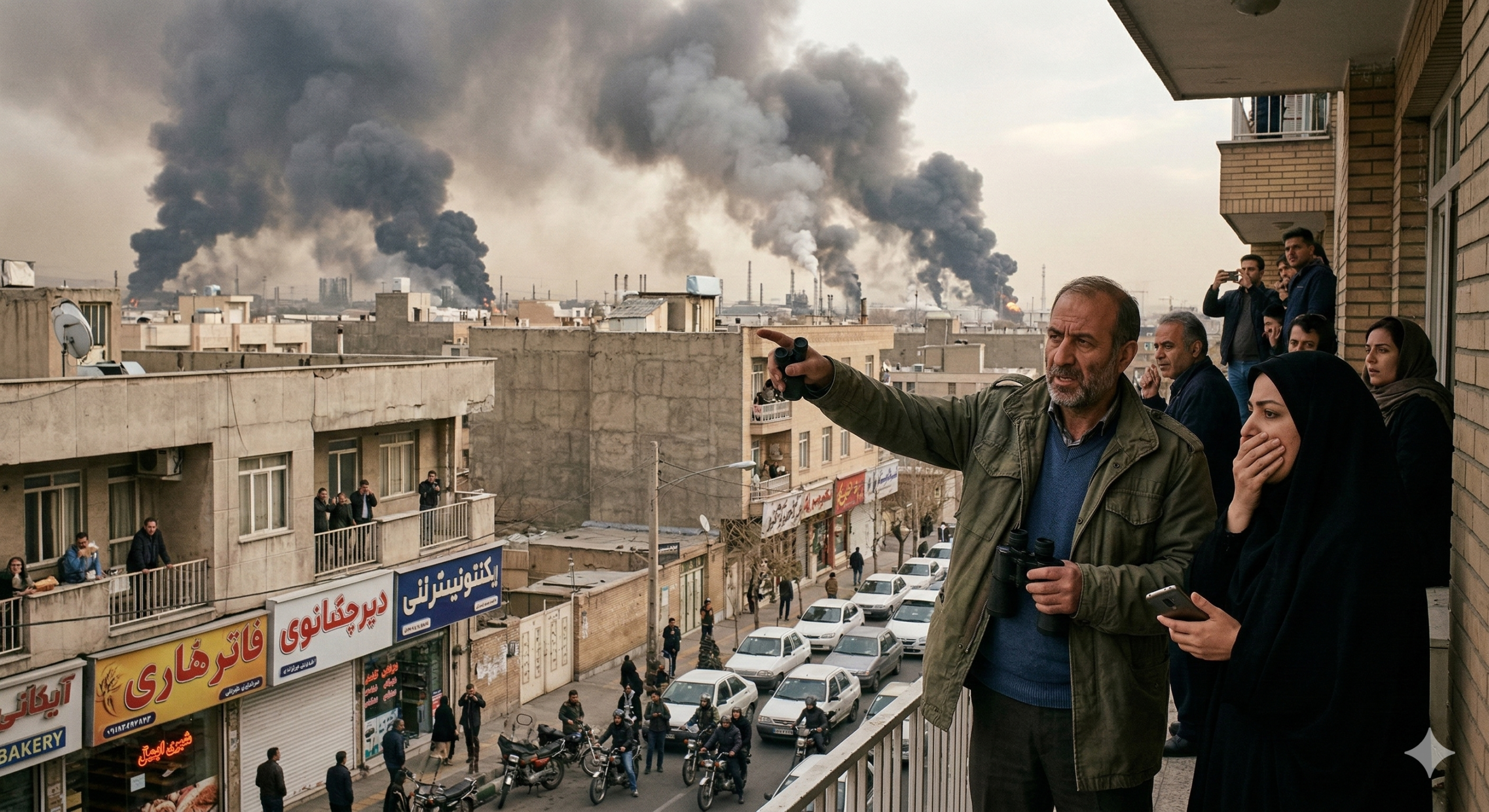
These back-and-forth measures increase tensions, especially in strategically sensitive areas like the Persian Gulf and the Strait of Hormuz.
Impact on Global Energy Markets
Impact on Global Energy Markets
Oil tanker seizures can create widespread effects in the global energy market. Even one such incident can increase uncertainty, lead to higher shipping insurance premiums, and cause oil prices to rise. Shipping companies may choose longer or alternative routes to avoid risky areas, which increases transport costs and delays deliveries.
For countries that import energy, these disruptions can impact fuel supplies and contribute to inflation. For oil-exporting countries, tanker seizures can lower revenues and make international trade relations more complex.
How it Affects World Politics and Relations Between Nations
Beyond just economic effects, seizing tankers sends a strong political message. It shows that the U.S. is willing to enforce its policies internationally and emphasizes its control over global financial and shipping systems.
Critics, however, argue that such actions:
Violate international maritime rules
Push for greater military presence along shipping lanes
Raise the chances of accidental conflicts
Supporters, in contrast, believe these measures are necessary to enforce sanctions, stop illegal trade, and pressure governments accused of destabilising behaviour.
Conclusion
The U.S. seizing oil tankers is not just a legal measure—it is also a strategic move with far-reaching effects. While the U.S. considers these actions legal and important for both national and global security, other countries and international observers often view them as controversial and potentially destabilizing.
As the world’s demand for energy grows and geopolitical tensions rise, oil tanker seizures are likely to remain a major point of conflict, influencing discussions about national sovereignty, sanctions, and the future of global trade.