The Tragic Killing of Tripura Student Angel Chakma: A Mirror to Deep Social Fault Lines
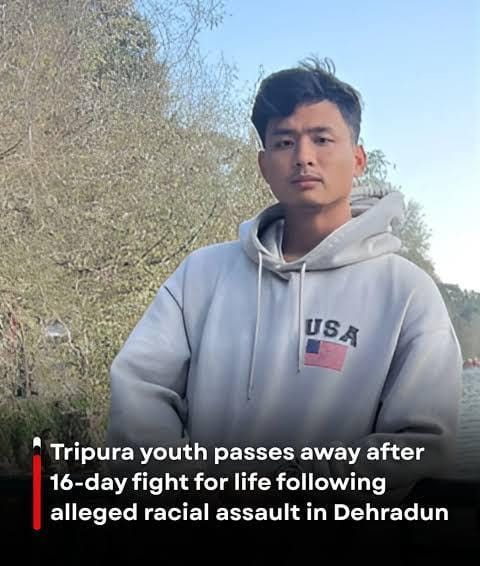
The death of Angel Chakma, a young student from Tripura, has sent shockwaves across the state and beyond, sparking debates on safety, ethnic vulnerability, governance, and the recurring patterns of violence in India’s Northeast. Angel, who belonged to the indigenous Chakma community, was not just another name in a headline—she was a bright student with dreams, ambitions, and a family that believed education would empower her future. Her tragic killing has raised questions that demand urgent answers, not only from the authorities but from society as a whole.
A Young Life Cut Short
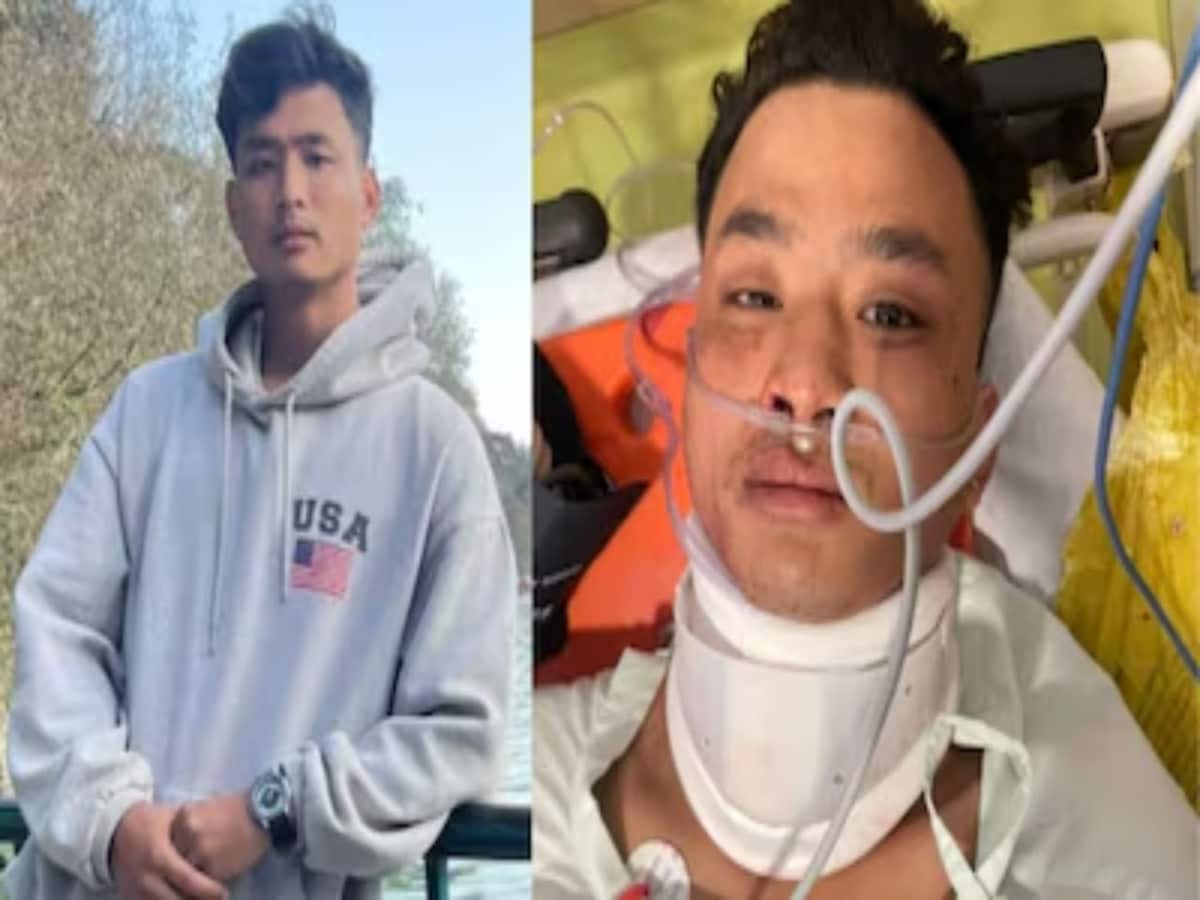
According to reports circulating across local media, Angel was found dead under mysterious and deeply disturbing circumstances. Preliminary findings suggest that she may have been subjected to physical assault before her death, indicating foul play. Community members and student organizations have alleged that she was targeted, and many have demanded a high-level investigation led either by the CBI or a Special Investigation Team (SIT).
Her death has not only devastated her family, who described her as a dedicated student with a quiet personality, but also created an atmosphere of fear among other indigenous students, especially girls pursuing education away from home.
Protests and Public Outrage
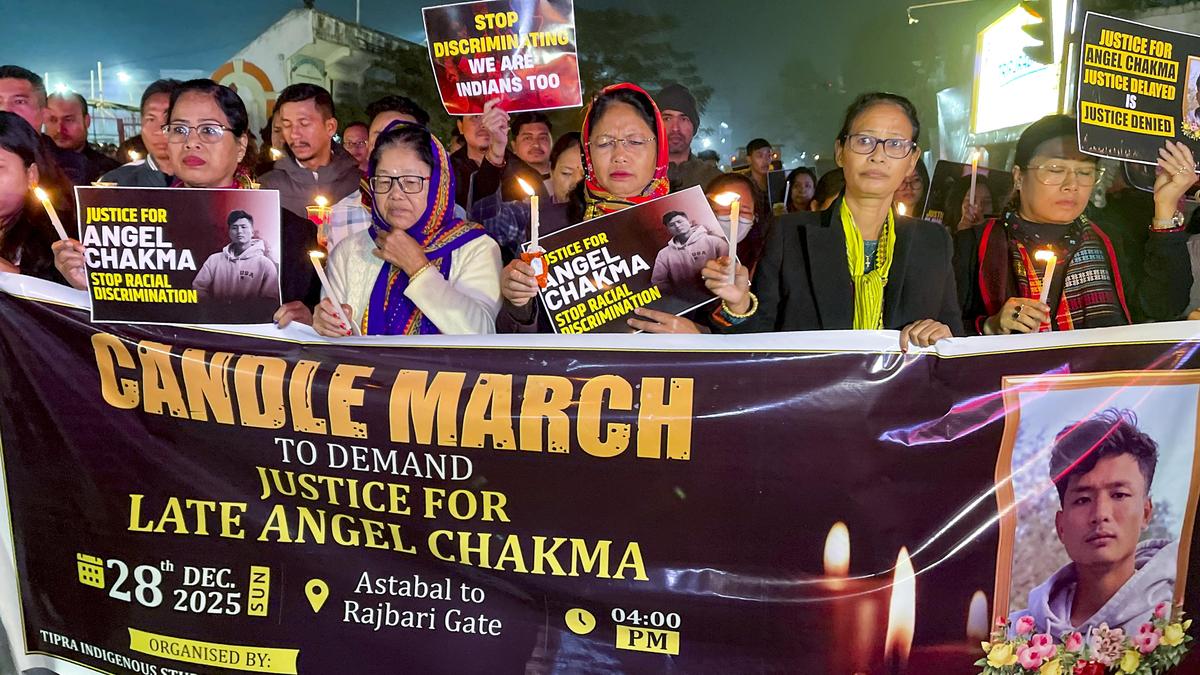
Soon after news of her death broke, protests erupted across different districts of Tripura. Student bodies, including those representing tribal communities, staged marches demanding justice for Angel. They alleged that cases involving minority and indigenous girls often do not receive adequate investigation or attention unless public pressure is mounted. Placards demanding “Justice for Angel,” “Punish the Culprits,” and “Ensure Safety for Tribal Students” filled the streets.
These protests have been peaceful but powerful, demonstrating collective grief and frustration. Civil society groups have argued that Angel’s killing reflects broader issues—gender-based violence, marginalization of tribal voices, and the inadequate protection mechanisms for students living away from their families.
A Spotlight on the Vulnerability of Indigenous Students
Tripura’s indigenous communities, including the Chakmas, make up a significant portion of the state’s demographic mosaic. But despite constitutional safeguards, they often face systemic challenges—access to quality education, economic instability, underrepresentation in governance, and threats to their cultural identity.
Angel’s death has highlighted an uncomfortable but crucial point: tribal students, especially girls, often feel unsafe both within and outside educational institutions. Many come from remote villages and stay in hostels or rented accommodations in towns to pursue higher studies. Several community activists have pointed out that local administrations frequently fail to create secure environments for them.
The Chakma community, which has historically faced displacement and social discrimination, sees Angel’s case as an attack not just on an individual but on the dignity of the entire community.
Demand for a Transparent Investigation
As the outcry grew, authorities faced increasing pressure to ensure an impartial and fast investigation. Police officials have stated that multiple angles—including personal enmity, sexual violence, and hate-motivated crime—are being examined. However, community leaders insist that without transparency, accountability, and third-party oversight, trust cannot be restored.
Legal experts argue that Angel’s death must be investigated under stringent provisions, including sections related to murder, sexual violence, and atrocities against Scheduled Tribes if applicable. Many organizations have demanded an FIR under the SC/ST (Prevention of Atrocities) Act, citing her identity as a Chakma tribal student.

Gender, Safety, and the Northeast
Angel’s tragic killing also adds to the broader conversation about violence against women in the Northeast. Although the region is often praised for relatively better gender relations, isolated but severe crimes do occur—many going underreported. Students living in private hostels or isolated accommodations face even higher vulnerability.
Angel’s death has therefore renewed the conversation on:
Need for safer accommodation for girl students
Strict monitoring of private hostels
Installation of CCTV cameras in sensitive zones
Speedy policing mechanisms
Gender-sensitization programs in schools and colleges
Her loss, if studied beyond its immediate tragedy, reveals gaps that institutions must urgently fill.
Social Media as a Tool for Justice
As with many modern cases of injustice, social media has played a powerful role. The hashtag #JusticeForAngelChakma has gained momentum, with students, activists, and even national groups amplifying her story. Digital activism ensured that her case did not fade away in a cycle of news dominated by political headlines.
This sustained public pressure pushes the authorities toward accountability. It also shows how collective voices, when united, can prevent unjust cases from being buried under bureaucratic excuses.
A Call for Change
Angel’s killing is more than a tragedy—it is a call for systemic change. Her death demands that Tripura’s administration strengthen security measures for students, ensure fast-track justice, and address the deeper issues of marginalization faced by tribal communities.
For her family, justice means more than punishment—it means restoring dignity. For her community, it means ensuring that no other tribal girl meets such a fate. For society, it means confronting uncomfortable truths about gender, ethnicity, and social safety.
Conclusion
The death of Angel Chakma is a wound that extends far beyond her village or her community. It is a reminder of the fragility of safety, the consequences of negligence, and the urgent need for institutional accountability. Her story must not be forgotten. Instead, it should fuel a collective resolve to build a society where every student—regardless of tribe, gender, or background—can study, dream, and live without fear.
Justice for Angel is not just a demand. It is a necessity.