SUICIDE…..A FEAR OR GIVE UP?
Suicide is the act of intentionally causing one’s own death. It is a deeply complex phenomenon, seldom the action of just one event or reason. Instead, it is usually the result of a “perfect storm” of biological, psychological, and social factors that converge to create a state of profound emotional despair known as psychache-a term coined by suicidologist Edwin Shneidman to describe unbearable mental pain.
The Mechanism of Despair On a deeper level, suicide is often not a wish to die but a desperate desire to stop the pain. When an individual’s perceived suffering exceeds their internal and external resources for coping, the mind may start to perceive death as the only available “solution.” This state is often marked by cognitive constriction, or “tunnel vision,” in which the person becomes unable to see alternatives or future possibilities.
REASONS
However, about 90% of those who take their own lives are dealing with a mental health issue at the time. Major Depressive Disorder (MDD) and Bipolar Disorder Depression is the most common condition linked to suicide. It involves “cognitive distortion,” where the brain filters out positive thoughts
 and magnifies negative ones. In Bipolar Disorder, the risk is highest during mixed episodes, when individuals feel the hopelessness of depression while also having the restless energy of mania to act on their thoughts.
Psychosis and Schizophrenia In cases of Schizophrenia, “command hallucinations,” or voices telling the person to harm themselves, along with intense paranoid delusions can lead to suicide as a way to escape a frightening reality.
Personality Disorders Borderline Personality Disorder (BPD) is closely connected to suicidal thoughts and actions. Those with BPD often experience extreme emotional dysregulation and fear of abandonment, making temporary emotional pain seem permanent and unbearable.
The Interpersonal-Psychological Theory Psychologist Thomas Joiner offered a key framework to explain why some people move from contemplating suicide to actually acting on it. According to this theory, three factors must overlap: Thwarted Belongingness: A deep feeling that “I am alone, and no one cares.” Perceived Burdensomeness: The belief that “My death will be more valuable to my family or friends than my life.”
Acquired Capability: Humans have a natural instinct to survive. This instinct can weaken through exposure to pain, violence, or previous self-harm, allowing individuals to overcome their fear of death.
Socio-Economic and Environmental Triggers The environment where a person lives can strongly influence suicidal thoughts. Economic Strain: Recessions, unemployment, and debt are statistically linked to increases in suicide rates. Financial difficulties often lead to a loss of identity and status, especially in cultures that connect self-worth to productivity. Isolation and Urbanization: Even though we are more connected than ever, “social isolation” is at an all-time high. The decline of traditional communities and nuclear families leaves people without support during tough times. Access to Lethal Means: One major environmental factor is the availability of tools for suicide, like firearms, pesticides, or some medications.
 Early Life Adversity and Trauma Trauma, especially during childhood, can fundamentally change brain development. Adverse Childhood Experiences (ACEs): Forms of abuse, such as physical, emotional, or sexual, along with neglect or losing a parent, noticeably increase the risk of suicide later in life. PTSD: For veterans, survivors of assaults, or those living in conflict zones, Post-Traumatic Stress Disorder creates a cycle of “flashbacks” and hyper-vigilance that can make life feel like a constant emergency, leading to a wish for “the permanent sleep” of death.
Cultural and Identity-Based Pressures Societal expectations can create “no-win” situations for individuals. Minority Stress: LGBTQ+ individuals, especially youth, have much higher rates of suicide. This is not because of their identity, but due to the stress of discrimination, bullying, and rejection from family. The “Strong Man” Myth: Men die by suicide at much higher rates than women worldwide. This is often linked to cultural norms that discourage men from showing vulnerability or seeking help, causing them to bottle up their pain until it becomes fatal.
The Role of Chronic Pain and Illness Physical health and mental health are deeply connected. People dealing with chronic, unrelenting pain or terminal illnesses often view suicide as a form of “mercy” or a way to take back control over a body that has let them down. Conditions like cancer, HIV/AIDS, and degenerative neurological diseases are associated with higher risks.
Substance Abuse: The Great Disinhibitor Alcohol and drugs contribute to suicide in two ways: Long-term: They worsen depression and damage social support networks. Short-term: They act as a disinhibitor. Many who attempt suicide do so while intoxicated; substances can provide the “liquid courage” needed to push past the fear of death and act impulsively on a fleeting thought.
TRAGIC INCIDENT OR ATTEMPT….
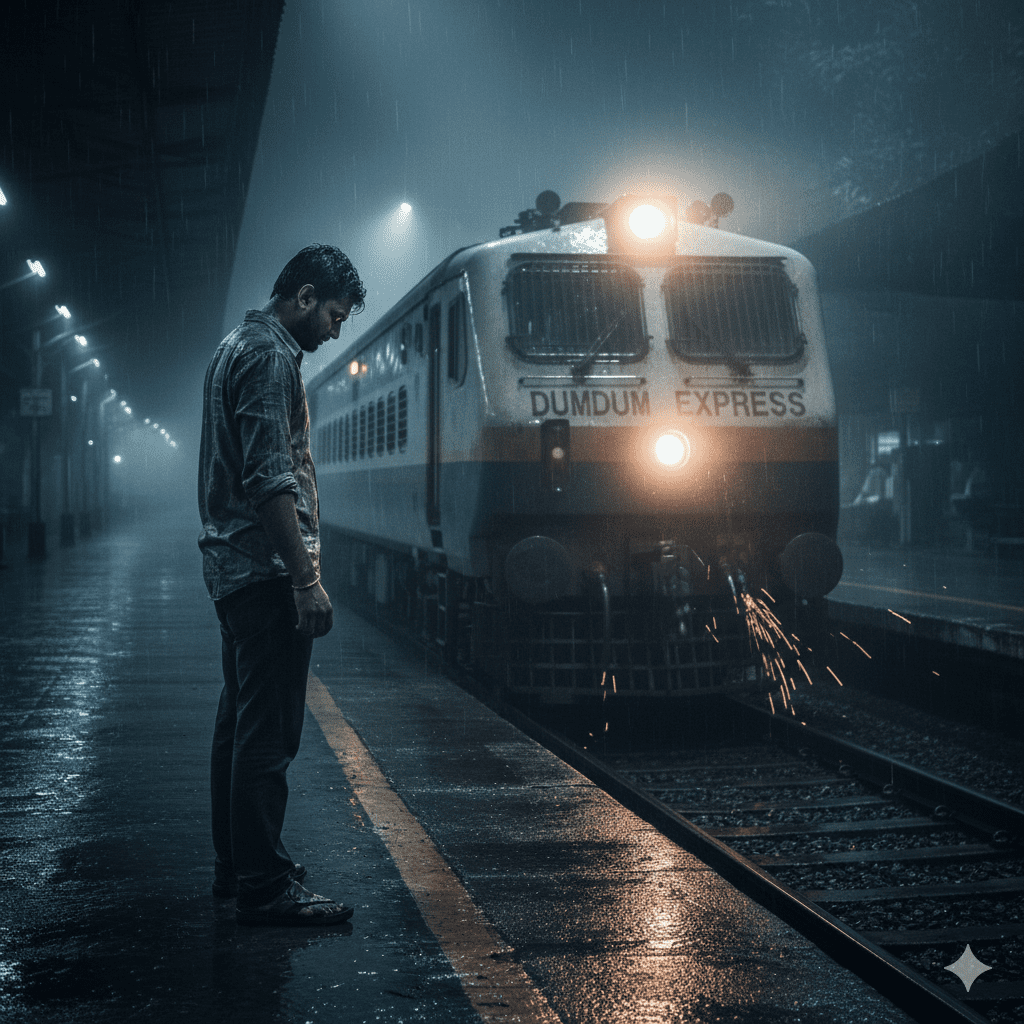
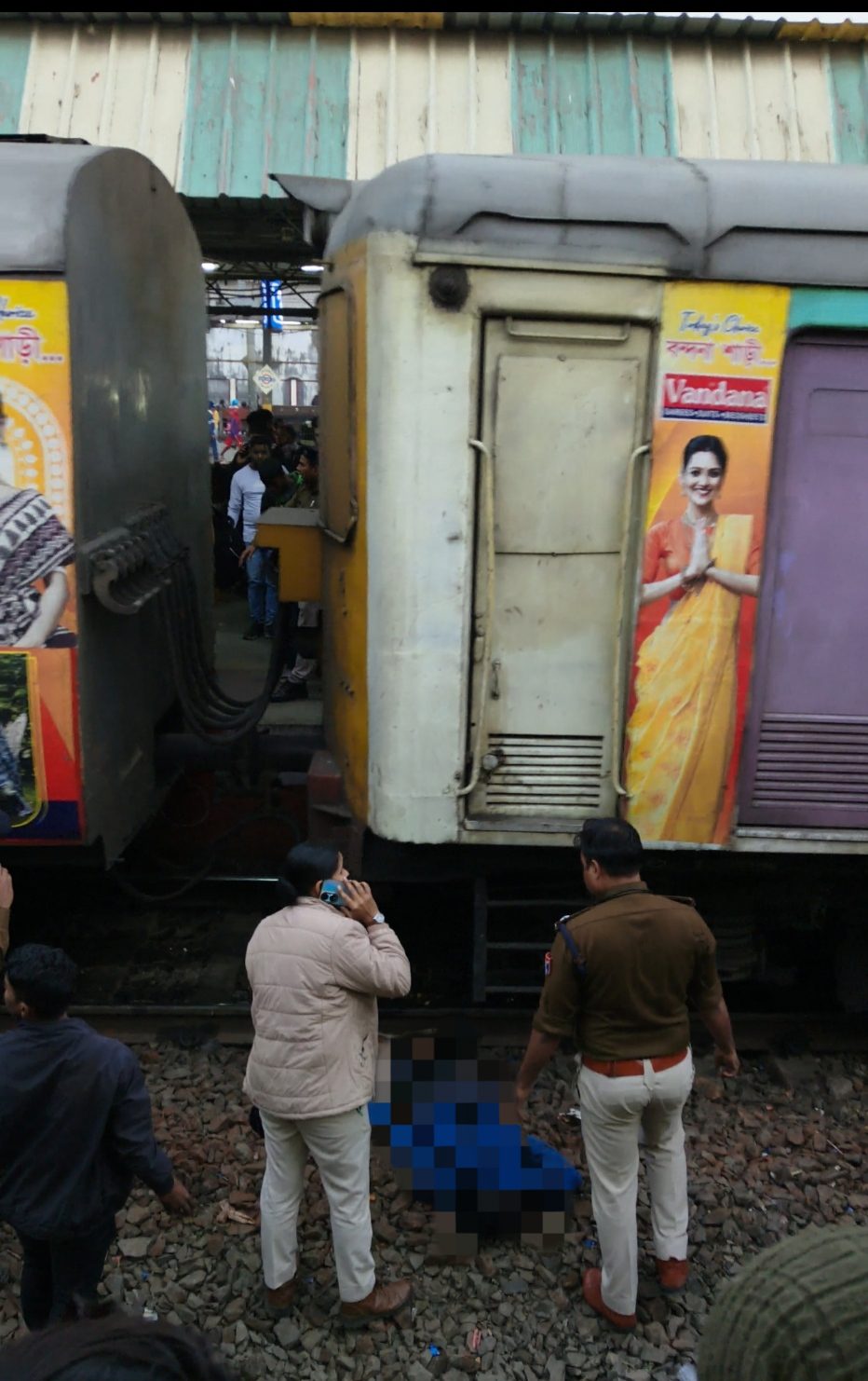
This is a tough topic. Things that happen at train stations, like Dum Dum—a really busy spot in Kolkata—are super upsetting for the families, people who see it happen, and the train workers who have to deal with it.
When we talk about something this serious, we need to think about why these things are happening, what problems are involved, and what kind of help is out there for people who are struggling.
What Really Happens at Train Stations
Dum Dum station is a key place where the Eastern Railway and the Kolkata Metro meet. It gets tons of people every day, so sadly, accidents and people trying to hurt themselves happen there .
.
Accident or on Purpose?: Sometimes, what looks like someone trying to end their life is actually just a terrible accident. The platforms get so crowded, people try to jump on moving trains, or they walk across the tracks when they shouldn’t—and this can lead to people dying.
A Moment of Hopelessness: When someone is trying to hurt themselves, they usually feel totally trapped by their problems. Doing it in public, like at Dum Dum, often means they’re in a really bad place and acting without thinking.
How It Affects Everyone
Something bad that happens at a big station touches a lot of lives:
Trauma for Witnesses: People who see these things can end up with stress or even PTSD.
Stress on Train Drivers: The people driving the trains go through a lot. Even if they try to stop, the train is so heavy that it can’t stop right away, which is really hard on them.
Trains get Delayed: It’s not as important as someone losing their life, but the delays mess up things for tons of people, which shows how connected we all are in the city.
Why Help is Important
Most people who survive trying to end their life say they didn’t really want to die; they just wanted the pain to stop. In a stressful place like Kolkata, things like school pressure, not having a job, or feeling alone can get to be too much.