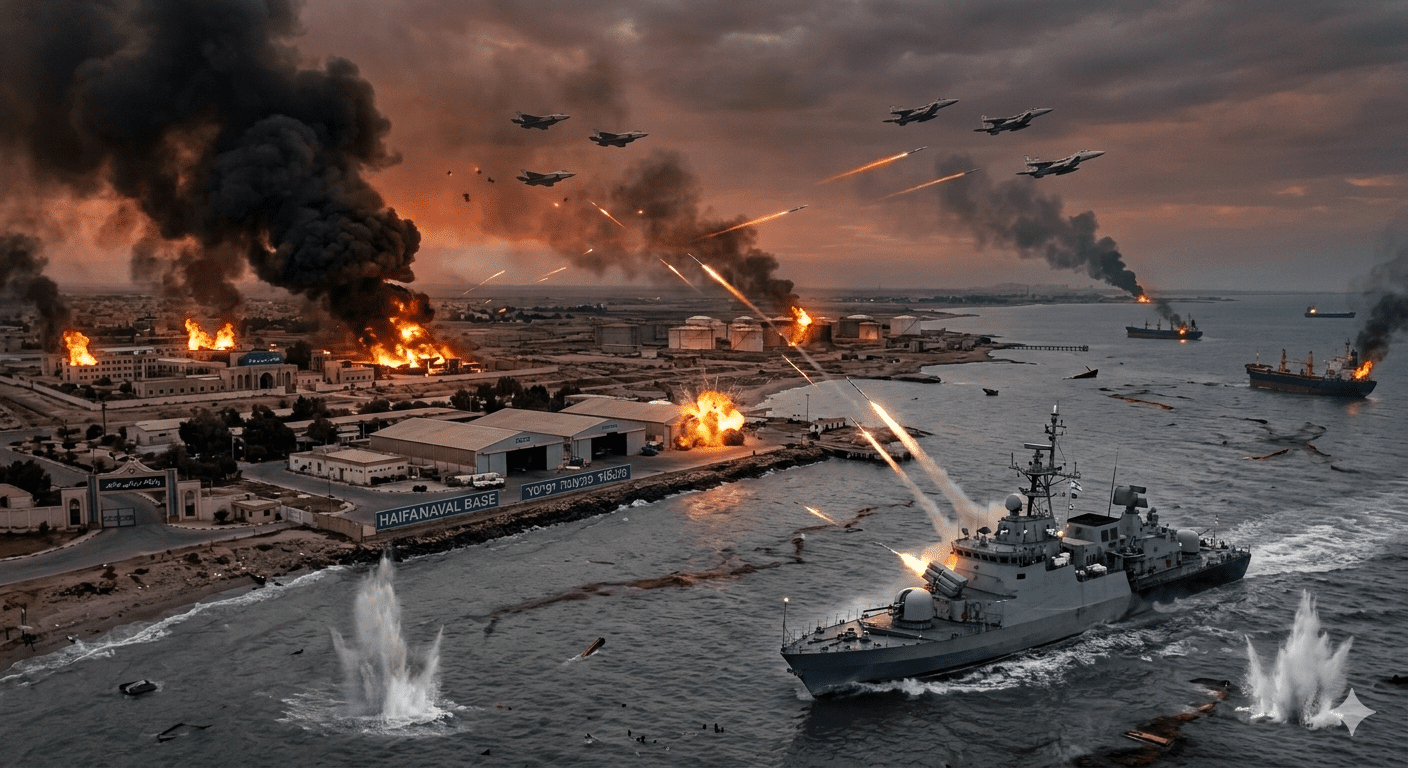
The Outbreak: February 2026 Strikes
The crisis began with a series of high-profile terrorist attacks in Pakistan in early February 2026. A devastating suicide bombing at a Shia mosque in Islamabad on February 6 killed over 30 people.
February 21-22: In response, the Pakistan Air Force (PAF) conducted operations against seven militant camps in the Afghan provinces of Nangarhar, Paktika, and Khost.
The Targets: Pakistan aimed to strike the Tehreek-e-Taliban Pakistan (TTP) and ISIS-K.
The Fallout: Pakistan reported killing 80 militants, but the Afghan Taliban government claimed that the strikes hit civilian areas and a religious school, resulting in at least 18 deaths, including women and children.
2. Escalation to “Open War”
Unlike previous years, where strikes often led to brief calm, late February witnessed a rapid escalation of the conflict.
February 26: The Afghan Taliban launched a major counter-offensive along the Durand Line and claimed to have captured several Pakistani military posts.
February 27: In light of the Afghan ground assault, Pakistan’s Defense Minister officially announced a state of “open war.” This announcement included unprecedented airstrikes deep into Afghan territory, targeting significant cities like Kabul and Kandahar.
Operation Ghazab Lil Haq: They initiated this military operation to systematically weaken TTP hideouts and Taliban military supports.
3. The March 2026 Crisis
The conflict reached its most controversial point in mid-March, especially in relation to the Afghan capital.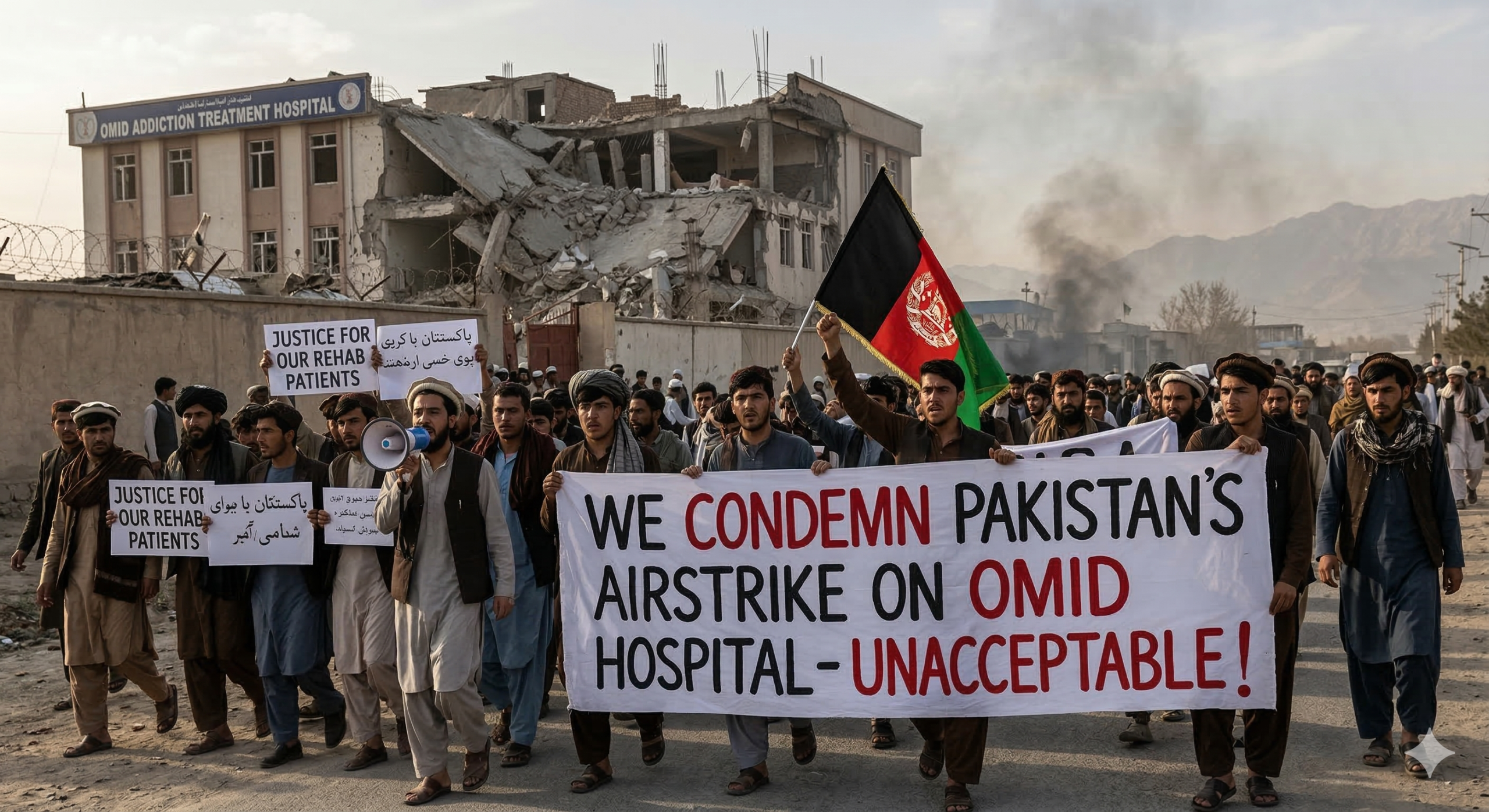
March 16: A airstrike hit the Omid Addiction Treatment Hospital in Kabul.
Casualties: Afghan officials reported an alarming toll of 400 dead and 250 injured, insisting the facility was solely for drug rehabilitation.
Pakistan’s Defense: Islamabad rejected these claims, insisting that the airstrike targeted “military installations and terrorist support infrastructure.”
International Reaction: India and other regional players strongly condemned the attack on the hospital, calling for accountability.
4. Strategic & Geopolitical Context
The roots of this conflict lie in the breakdown of the previous patron-client relationship that existed before the Taliban regained power in 2021.
Factor Description
The TTP Issue: Pakistan accuses the Afghan Taliban of sheltering the TTP. The Taliban refutes this, saying Pakistan is trying to deflect blame for its own security issues.
The Durand Line: The 2,600 km border remains unrecognized by Afghanistan, leading to constant tension over border fencing and posts.
Regional Shadows: The conflict is overshadowed by simultaneous escalations involving Israel, the U.S., and Iran, diverting global diplomatic focus from the Afghan-Pakistan border.
5. Current Situation (March 17, 2026)
As of now, the border remains very unstable with ongoing artillery exchanges and drone activity. UNAMA reports that over 115,000 Afghan civilians have been displaced due to the fighting, leading to a significant humanitarian crisis in the eastern provinces.
The Catastrophe at Omid Hospital (March 16-17):
The most tragic event of the conflict occurred just hours ago.
The Incident: On the night of March 16, a Pakistani airstrike targeted the Omid Addiction Treatment Hospital (also known as Omar Hospital) in Kabul.
Casualties: Afghan Health Ministry spokesperson Sharafat Zaman reported that 400 people had died, with another 250 injured. Most were patients receiving treatment for drug addiction.
Conflicting Claims:
– Pakistan: The Ministry of Information stated that the strikes were “intelligence-based” and “accurately targeted military installations and ammunition storage” of the Afghan Taliban and TTP. They labeled the hospital reports as “misleading propaganda” designed to cover militant actions.
– Afghanistan: Taliban officials, along with initial reports from the UN, argue there were no military facilities near the hospital.
Current Status: Rescue teams are still searching through the rubble in Kabul this morning.
Military Operations: “Ghazab Lil Haq”
In response to the Taliban’s counter-offensive on February 26,initiated Operation Ghazab Lil Haq (Operation Righteous Fury). This operation denotes a significant shift in Pakistan’s military strategy toward Afghanistan.
Strategic Depth: Unlike past operations that stayed within 20 km of the border, the PAF is now targeting the “spiritual and political heartlands” of the Taliban, including Kandahar and Bagram Airbase.
Infrastructure Sabotage: On March 15, Pakistani aircraft reportedly targeted the fuel storage facilities of Kam Air, a private Afghan airline, near Kandahar International Airport to disrupt Taliban logistics.
Taliban Retaliation: The Afghan Ministry of Defense claimed it successfully struck military sites in the Kohat district and destroyed several command centers along the Durand Line.
 Casualties and Displacement Statistics
 Casualties and Displacement Statistics
The human cost of the “Open War” has increased significantly over the last three weeks.
Metric Afghan Claims / UN Reports Pakistani Claims
Militant/Soldier Deaths: ~327 Pakistani soldiers killed, ~684 Taliban / 80 TTP killed
Civilian Deaths: ~328-400 (including Kabul hospital) ~8 (Pakistani civilians)
Civilians Displaced: 115,000 Afghans (UNHCR) 3,000 Pakistanis (UNHCR)
Healthcare Impact: 20+ facilities damaged/destroyed 0 reported
The Geopolitical “Two-Front” Pressure
Analysts believe that the Taliban is using this conflict to improve its regional standing, particularly concerning India.
The “India Card”: While fighting, the Taliban has been seeking to build ties with New Delhi to secure economic interests and reduce Pakistani influence.
India’s Response: Today, the Indian Ministry of External Affairs condemned the Kabul hospital strike, calling it a “cowardly and unconscionable act of violence.”
Regional Distraction: The conflict is unfolding while the international community is mainly focused on the Israel-Iran-U.S. escalation, leaving Kabul and Islamabad to manage the situation largely on their own.
Current Military Outlook
Pakistan’s superior airpower gives it a clear edge in targeting urban areas like Kabul and Kandahar. However, the Taliban has shown resilience in asymmetric warfare and ground confrontations.
The Durand Line: The 2,600 km border is effectively a battleground. The Taliban has reportedly taken control of 19 Pakistani border posts since the conflict began, though Pakistan argues many have been retaken.
Domestic Politics: In the military is using the “open war” to justify stricter security measures amid political tension over the health of jailed former PM Imran Khan.