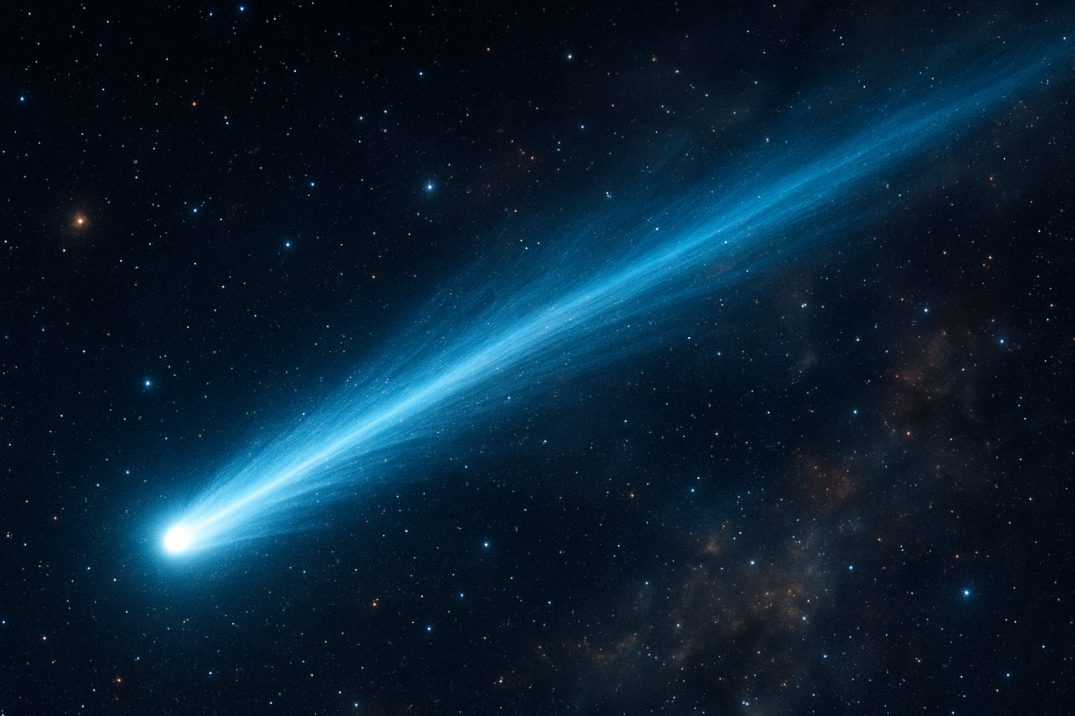
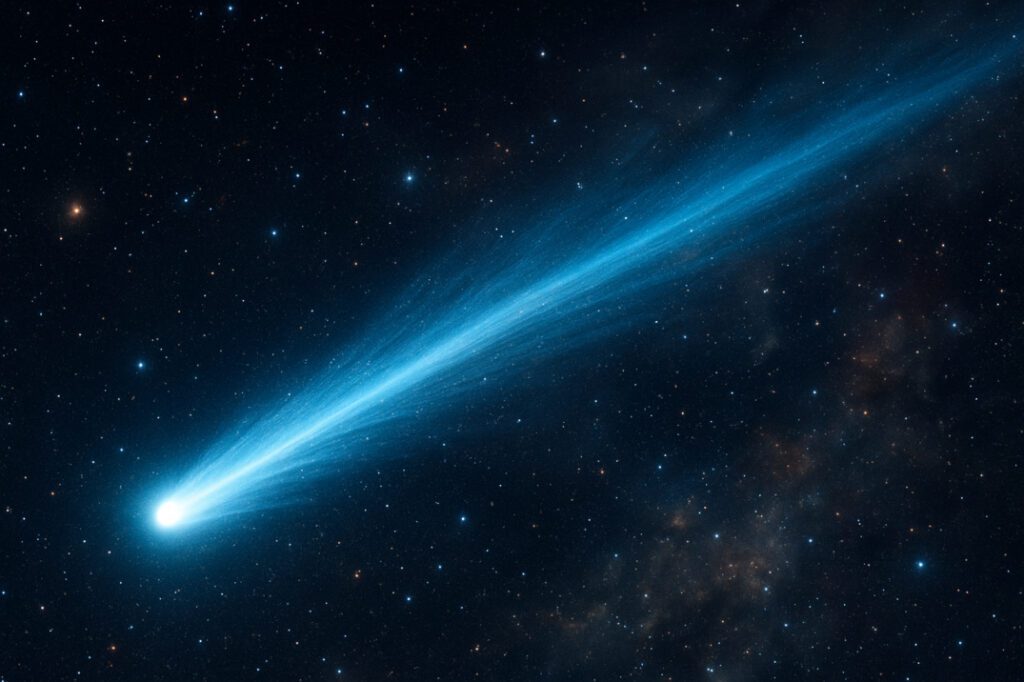
NASA’s confirmation that the comet 3I ATLAS may be an interstellar object has pushed it into global headlines. This isn’t just another comet passing by the inner solar system. It could be the third known interstellar visitor after ‘Oumuamua and Borisov, making it one of the rarest cosmic events humans have ever observed.
As new observations come in, astronomers are trying to understand where it came from, how it behaves, and whether it follows the same physics as other comets in our own solar system. And the more they look at it, the more questions they find.
What Makes 3I ATLAS So Special

Scientists noticed unusual activity from this object. Early reports suggested that the jets coming from its surface might be pulsing in a rhythm, which is not commonly seen in typical comets. Some researchers, including Harvard astronomer Avi Loeb, have explored whether these patterns hold deeper clues.
You can read his original analysis here
NASA’s Position: It’s Still Interstellar
Even as new questions arise, NASA is firm on one point: 3I ATLAS is likely interstellar.
According to ongoing studies, the comet’s hyperbolic trajectory strongly suggests that it did not originate within our solar system.
Nasa team
NASA’s teams believe that the object is moving too fast and in a direction that doesn’t match anything tied to the Sun’s gravity. That alone puts it in a special category.
Why Scientists Are So Invested
Comets from within our solar system already give us clues about early planetary formation. But an object from another star system? That’s like receiving a sample of another world without sending a spacecraft.
You can also read
Jeddah Tower: Saudi Arabia’s Ambitious Leap Into the Future
Nikhil Kamath Net Worth: Updated Wealth Profile 2025
Modi putin meet: stronger partnership expected
Scientists hope 3I ATLAS can reveal:
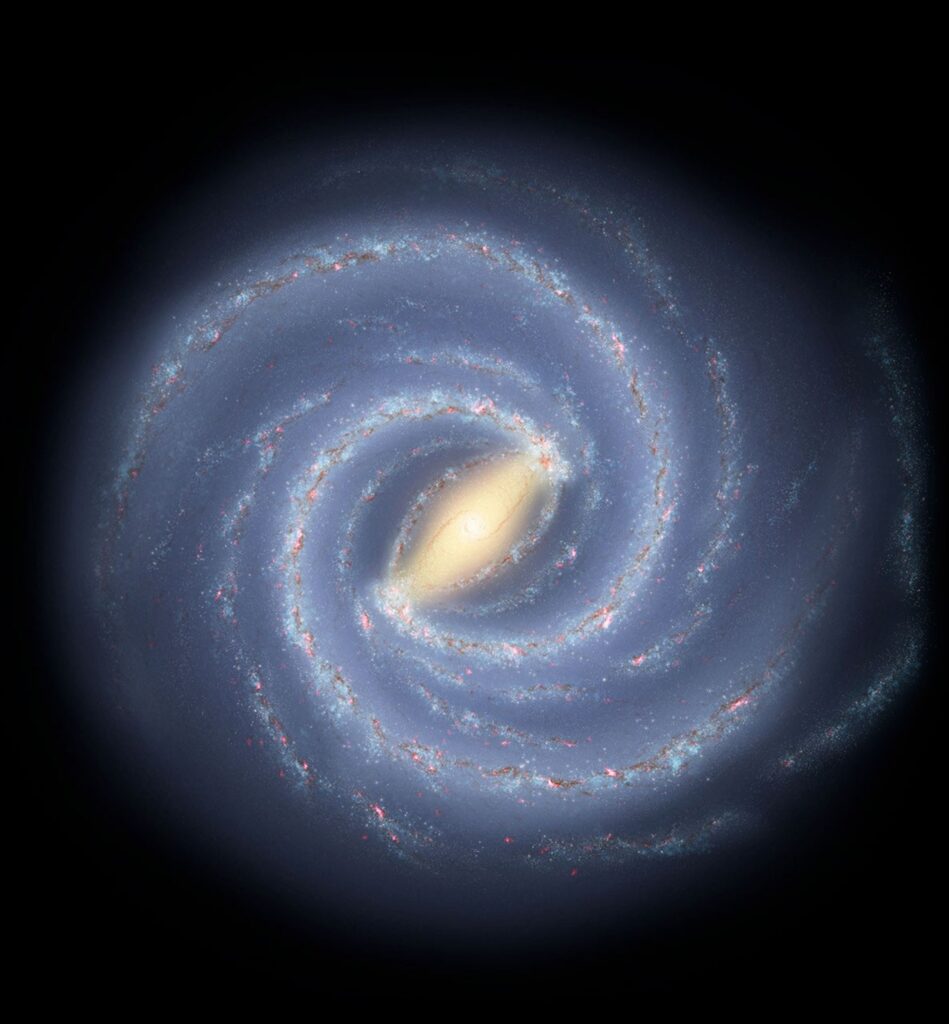
What materials exist around distant stars
How comets form in other systems
Whether their chemistry is similar to ours
How interstellar objects survive long journeys
What makes some objects behave differently from solar system comets
The Road Ahead: More Data, More Mystery
Right now, 3I ATLAS is still under close watch. Telescopes around the world are gathering light curves, measuring jet activity, and tracking its path. Each update pushes us a little closer to understanding how rare visitors like this behave.
As with ‘Oumuamua, the final answer may take time. But one thing is clear: 3I ATLAS has become one of the most exciting stories in modern astronom
FAQ of nasa interstellar
1. What is NASA interstellar comet 3I ATLAS?
A.NASA interstellar comet 3I ATLAS is a rare visitor entering our solar system from beyond the Sun’s gravitational influence. Its unusual path and high speed suggest it originated in another star system.
2. Why is 3I ATLAS considered interstellar?
A.Scientists classify it as interstellar because its hyperbolic trajectory shows that it is not bound to the Sun. This is the same type of orbit seen in ‘Oumuamua and Borisov, the only other confirmed interstellar objects.
3. What makes 3I ATLAS different from normal comets?
A.Researchers have noticed irregular jet activity that might pulse in a pattern. Objects from other systems can also carry materials and chemical signatures not found in typical solar system comets.
4. Is 3I ATLAS dangerous to Earth?
A.No. NASA has made it clear that NASA interstellar comet 3I ATLAS is not a threat. It was used in a planetary defence drill only as a training scenario to improve global readiness.
Conclusion
The mystery around nasa interstellar comet 3I ATLAS is far from solved, and that is exactly what makes it so fascinating. Every new observation adds another layer to the story, whether it’s the unusual jet activity, the debate over its true nature, or its role in global planetary defence exercises. Scientists see this comet as a rare window into another star system, and the data collected now may shape how we study interstellar visitors in the future.