Myanmar’s First Election Phase Marred by Disruptions, Arrests, and Mounting Tensions
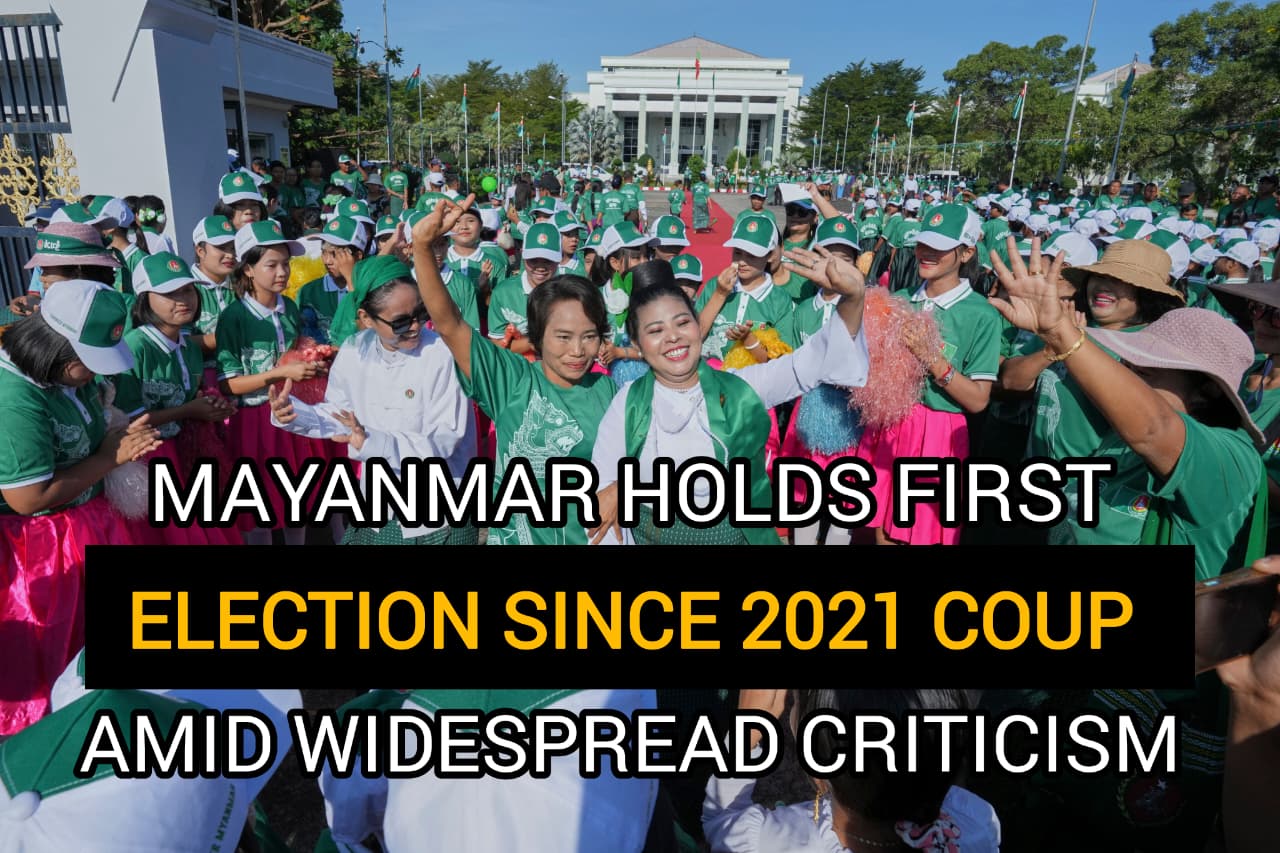
Myanmar’s first phase of elections—long anticipated as a potential turning point for the country—has instead been overshadowed by disruptions, arrests, and deepening political turmoil. What was expected to be a rare moment of civic participation in a nation struggling under military rule has revealed a fractured system beset with fear, instability, and widespread skepticism. The situation reflects not only the fragile state of Myanmar’s democracy but also the persistent challenges its people face in asserting their political rights.
A Climate of Fear and Control
Since the military coup of February 2021, Myanmar has remained under strict junta control. Civil liberties have been severely restricted, dissent has been criminalized, and political opponents of the military regime have been systematically targeted. Under these conditions, the announcement of phased elections was met with mixed reactions: the ruling junta claimed the elections would restore “order and stability,” while critics argued that the process was neither free nor fair.
As the first phase of voting began, reports quickly emerged of heavy military presence around polling stations, random checkpoint interrogations, and restrictions on movement in conflict-prone areas. Rural regions—many of which support pro-democracy groups or ethnic resistance forces—witnessed tightened security. In several cases, locals claimed they were warned not to participate unless they backed the military-backed candidates.
Disruptions Across Conflict Zones
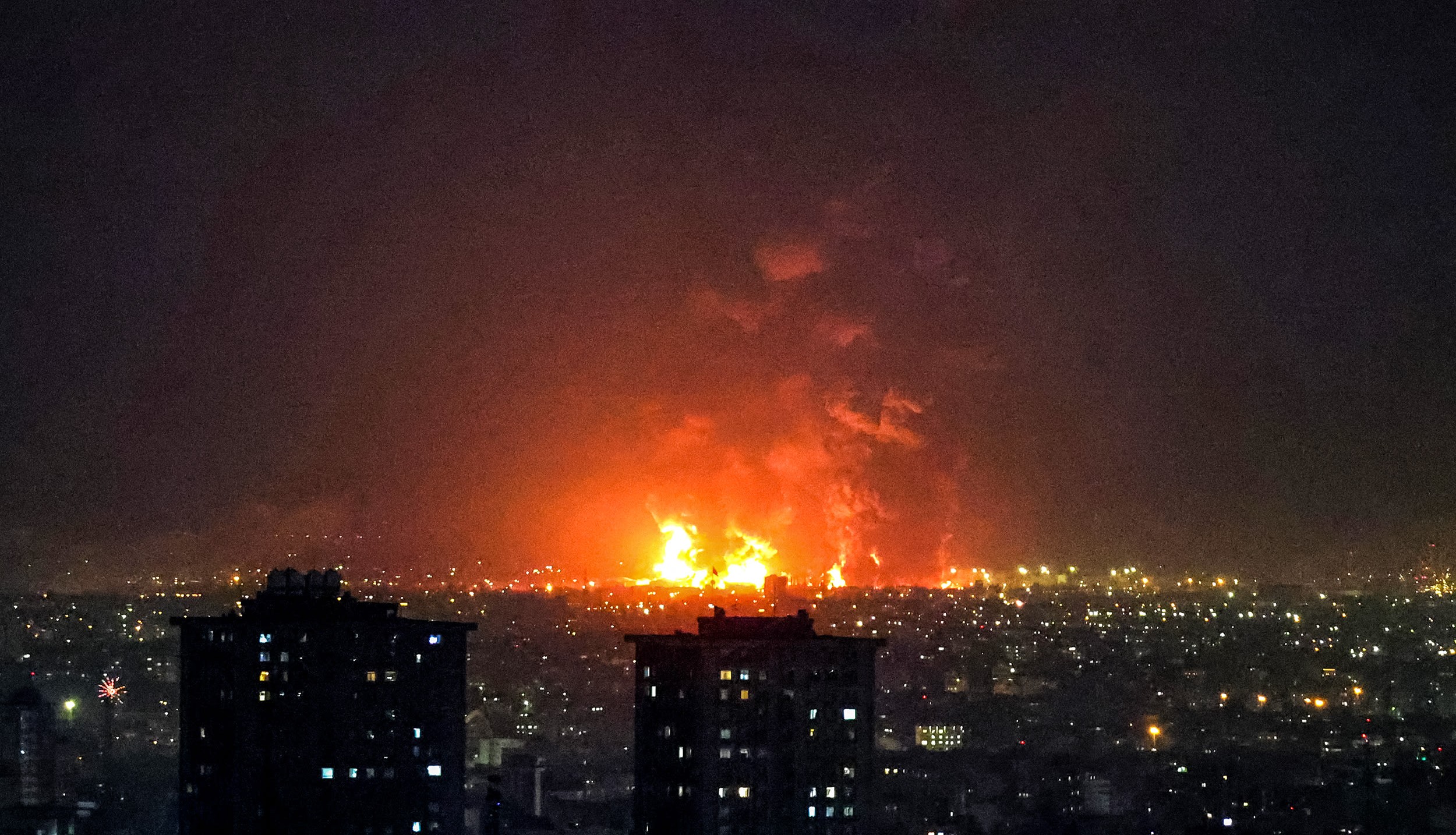
Political disruptions were most intense in the regions already experiencing clashes between the junta’s forces and ethnic armed groups. States like Sagaing, Shan, Kachin, Chin, and Kayah saw widespread conflict in the weeks leading up to the vote. Many polling centers in these areas were either shut down, relocated, or rendered inaccessible due to violence.
Several communities reported that ballot boxes never arrived because transport routes were blocked by ongoing fighting. Villagers in certain districts said they heard gunfire on the morning of the election, prompting them to remain indoors. Local monitors and journalists noted that the instability made it nearly impossible to determine how many eligible voters were actually able to cast their ballots.

Arrests and Targeting of Opposition Voices
Alongside disruptions, arrests were a defining element of the first phase. Political activists, community leaders, former parliamentarians from the National League for Democracy (NLD), and vocal critics of the military regime were detained in the days surrounding the vote. Charges ranged from “spreading misinformation” to “encouraging public unrest” and “violating national election guidelines.”
International observers have called these arrests a tactic to suppress opposition participation and ensure favorable outcomes for junta-backed candidates. In many townships, individuals associated with the Civil Disobedience Movement (CDM) were reportedly detained for questioning or forced to sign documents promising not to participate in political activities.
Human rights organizations have condemned the crackdown, emphasizing that an election where dissent is criminalized cannot be regarded as legitimate. Amnesty International and Human Rights Watch have both highlighted the alarming trend of pre-election intimidation, warning that Myanmar is witnessing one of the most repressive political climates in its modern history.
Information Restrictions and Media Challenges
Media access during the first phase was another major concern. Independent reporting has been severely curtailed since the 2021 coup, with many journalists imprisoned, forced into exile, or operating in secrecy. The junta’s strict control over information dissemination meant that many disruptions and arrests went unreported through official channels.
The limited number of reporters allowed near polling sites stated they were constantly monitored by authorities. Social media restrictions and frequent internet shutdowns in certain regions further complicated the flow of information. Such media suppression raises doubts about the transparency of the entire electoral process.
Public Disillusionment and Resistance
For many citizens, the election sparked strong feelings of frustration and hopelessness. A significant portion of the population boycotted the vote, asserting that participating in a military-controlled political exercise legitimizes the regime. Ethnic resistance organizations also refused to cooperate with the process, calling the election a “sham.”
Yet at the same time, pockets of resistance activism emerged across the country. Pro-democracy groups organized silent strikes, urging the public to avoid public spaces during the election as a form of peaceful protest. Despite the risks, many people participated, signaling the ongoing will of Myanmar’s citizens to push back against military rule.

International Responses and Future Uncertainty
Global reactions have been cautious but critical. Several countries and international bodies have expressed concern over the lack of transparency, widespread arrests, and ongoing violence surrounding the election. Many have reiterated that Myanmar cannot return to democratic governance without releasing political prisoners, ensuring freedom of expression, and restoring civilian authority.
As the first phase concludes, Myanmar’s future remains fraught with uncertainty. The disruptions and arrests not only undermine the credibility of the electoral process but also deepen public mistrust in the ruling military junta. With subsequent election phases still ahead, the country risks spiraling further into instability unless meaningful political reforms and peace dialogues are initiated.
For now, Myanmar stands at a crossroads. The first election phase has revealed the severe cracks in its governance and highlighted the resilience—and suffering—of its people. Whether the nation can rise from its political turmoil depends entirely on the willingness of those in power to relinquish control and pave the way for genuine democratic transition.