1. The Current War: Operation “Epic Fury,”
On February 28, 2026, the United States and Israel a joint military operation against Iran. Israel named its campaign Operation Roaring Lion, while the U.S. called it Operation Epic Fury.
The Assassination of Ayatollah Ali Khamenei
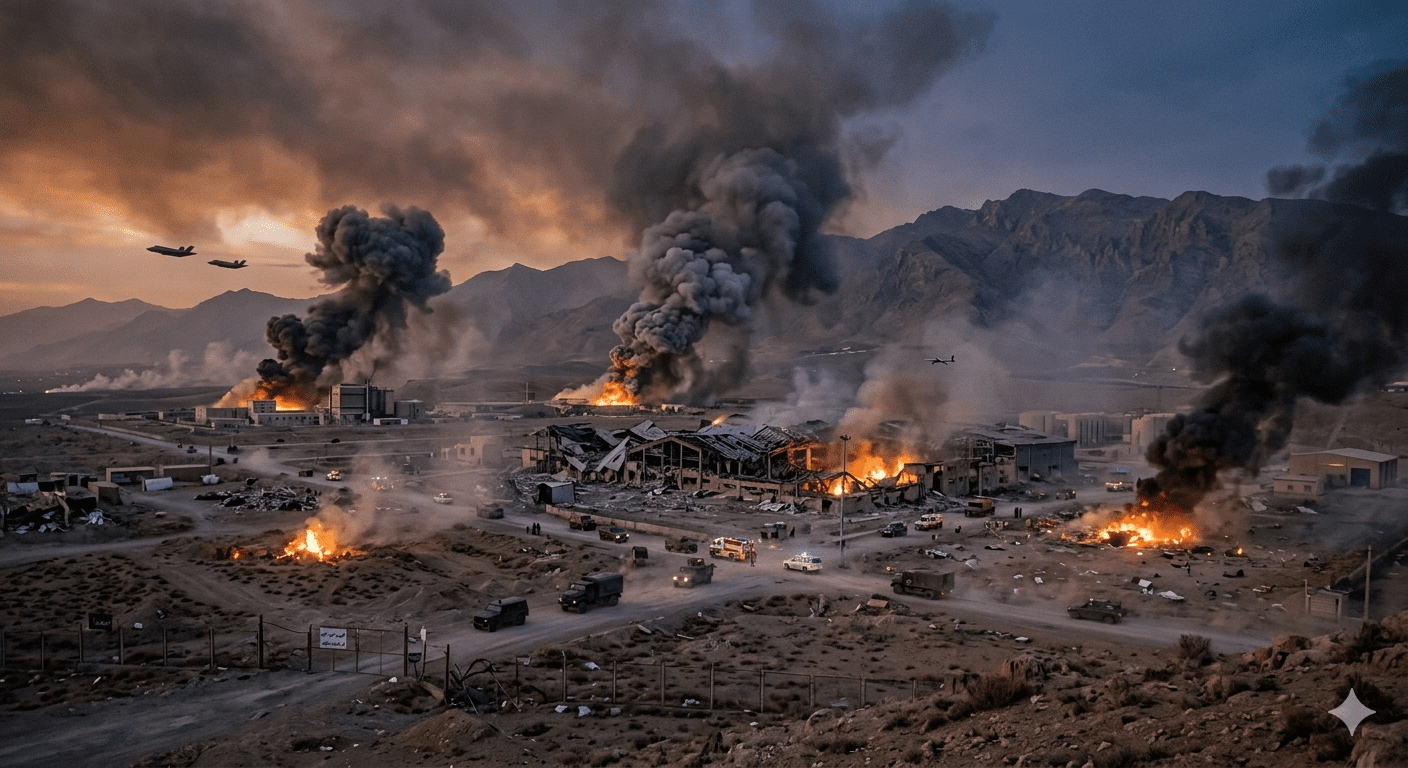
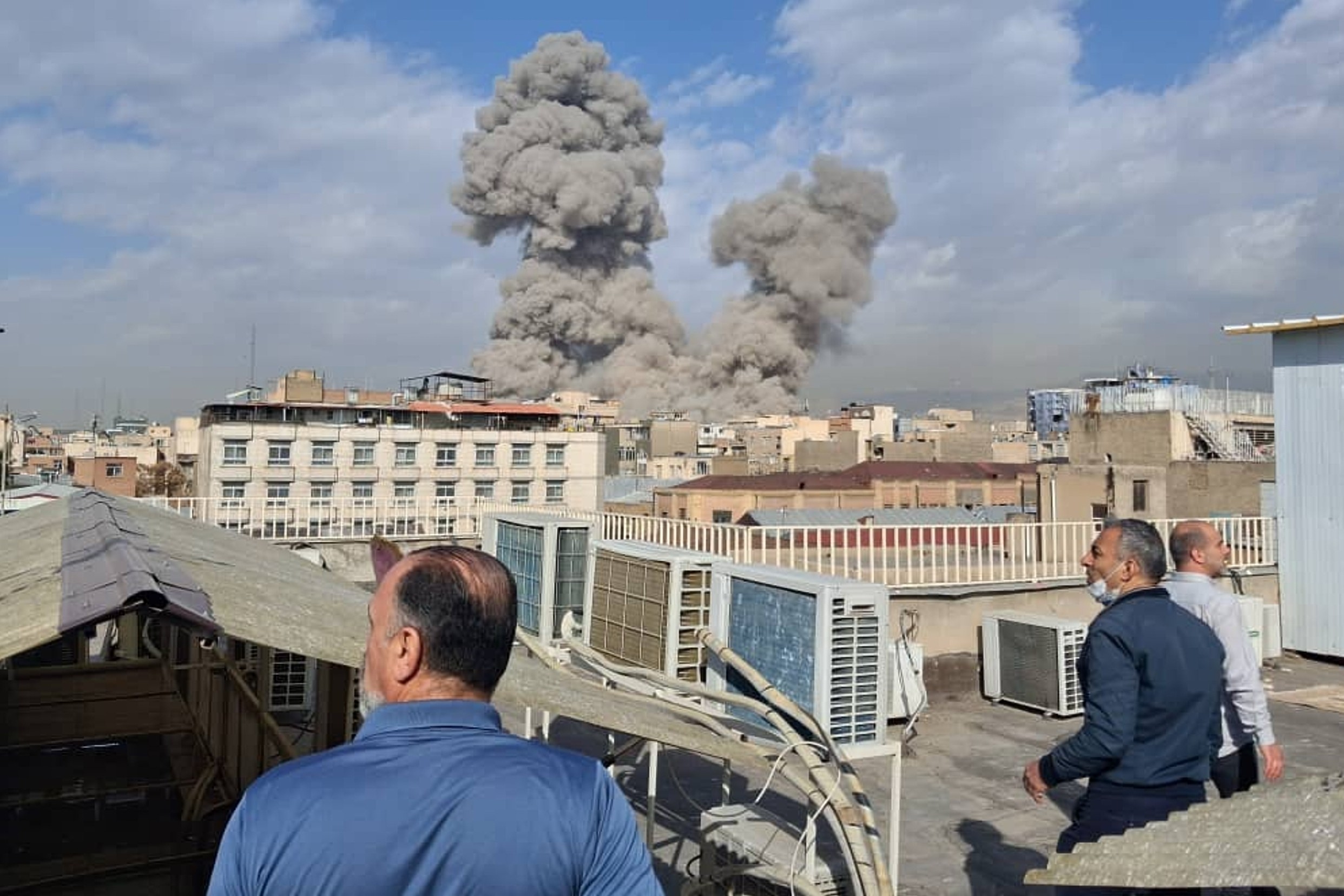
The most significant event occurred on February 28, on the first day of the conflict, when Israeli airstrikes hit the Supreme Leader’s compound in Tehran.
Outcome: Ayatollah Ali Khamenei was confirmed dead. Several other high-ranking officials, including Ali Shamkhani, also died.
Leadership Vacuum: Iran has established an Interim Leadership Council, with Ayatollah Alireza Arafi as a leading figure during the transition.
Regime Change Goal: President Donald Trump stated that the aim goes beyond disabling nuclear sites; it seeks a total change in Iran’s government leadership.
Military Toll (As of March 4, 2026)
Casualties in Iran: Over 780 people have died, according to the Iranian Red Crescent, though some estimates suggest more than 1,000.
Casualties in Israel/U.S.: At least 12 people have been killed in Israel, and 6 U.S. service members have lost their lives.
Infrastructure: Israel claims to have destroyed 300 missile launchers, representing a 70% reduction in Iran’s firing capacity, as well as the headquarters of Iran’s state broadcaster (IRIB).
2. Iran’s Retaliation: The “Red Line” Crossed
Unlike past conflicts, Iran has widened its strikes beyond Israel, targeting U.S. allies and military bases across the Persian Gulf.
The “Ring of Fire” Strategy
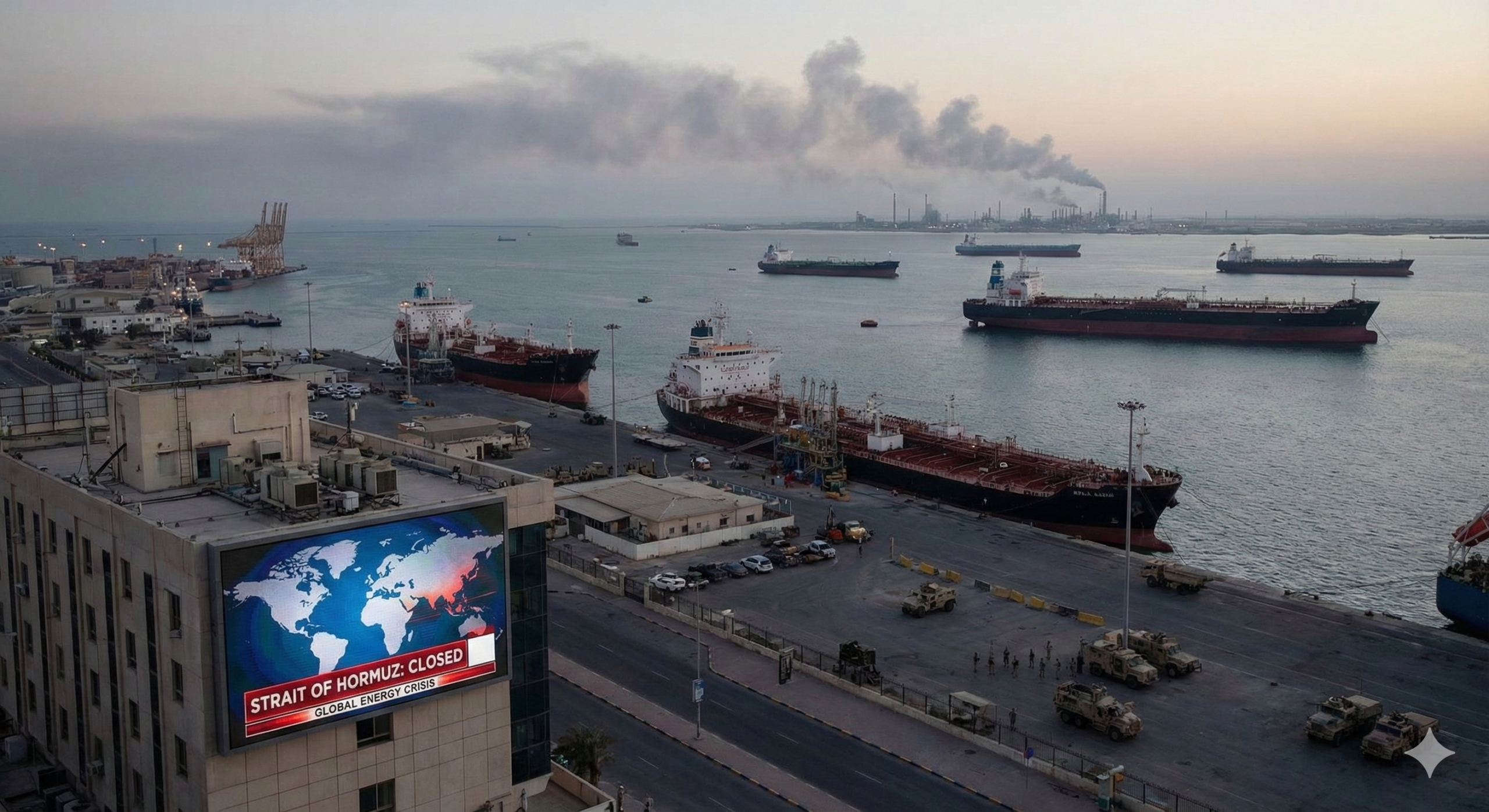
Strait of Hormuz: Iran officially announced the closure of the Strait of Hormuz, sending global oil prices soaring. The U.S. Navy is reportedly preparing to escort tankers to ensure energy flow.
Regional Strikes: Iranian missiles and drones have hit targets in the UAE (Dubai), Qatar (Al-Udeid Air Base), Bahrain, Kuwait, and Saudi Arabia (Riyadh).
Cyprus Attack: In a significant escalation toward Europe, a drone hit the British Akrotiri airbase in Cyprus on March 2.
Hezbollah’s Involvement
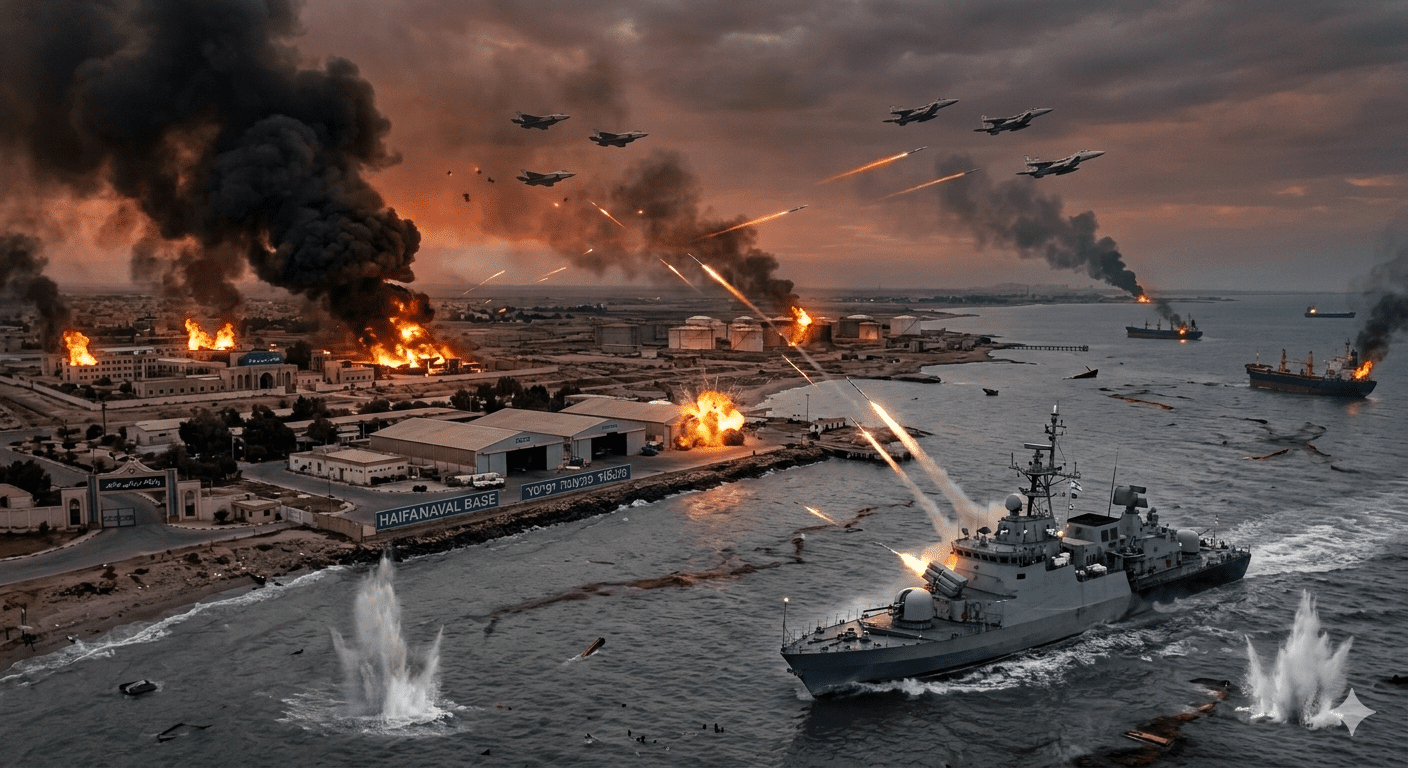
On March 3, Hezbollah launched its 12th attack of the day against Israel, targeting the Haifa naval base. Israel responded with a series of strikes across Lebanon, including Beirut’s southern suburbs.
3. Timeline: How We Got Here
The current war results from a rapidly deteriorating security situation over the past 12 months.
June 13, 2025
Israel initiated a 12-day war against Iranian nuclear facilities at Natanz and Fordow.
October 2025
European powers (UK, France, Germany) enacted “snapback” sanctions against Iran.
January 2026
Massive internal protests erupted in Iran due to hyperinflation and the 2025 war’s costs.
February 19, 2026
President Trump gave Iran a 15-day ultimatum to negotiate a “real” nuclear deal.
February 27, 2026
Nuclear talks in Geneva failed despite reports of a minor breakthrough through Omani mediators.
February 28, 2026
War Begins: Joint U.S.-Israel strikes start; Khamenei is killed.
4. International Impact & India’s Position
The conflict has disrupted international travel and trade in the Middle East.
Global Economy: The closure of the Strait of Hormuz has blocked 20% of the world’s oil flow. Crude oil prices are at record levels.
India’s Stake: Nearly 10 million Indian citizens live in the Gulf region. PM Modi has talked with PM Netanyahu, expressing serious concern for civilian safety. Some Indian nationals have reportedly died or gone missing due to attacks on merchant vessels.
Diplomatic Split: Russia and China condemned the strikes as violations of sovereignty, while France (President Macron) called the U.S./Israeli actions “outside international law,” although he still blamed Tehran for the initial tensions.
5. What to Watch Next
Ground Invasion? The Israeli military currently states that a ground operation in Iran is “unlikely,” opting instead for air and targeted strikes.
The Nuclear Question: While the IAEA reports no damage to the cores of nuclear facilities, Israel claims to have struck research centers intended for weaponization.
Cyber Warfare: Expect significant disruptions to internet and power grids in the region as both sides deploy advanced cyber capabilities.
Economic Shock: The “Hormuz Chokepoint”
The Strait of Hormuz has now effectively become a “no-go zone,” leading to a global energy crisis.
Oil and LNG Paralysis
Price Surge: Brent crude has risen to $82 per barrel, up from $66 in early February. Analysts warn that a month-long closure could drive prices into the $100-$150 range.
Shipping Halt: Major companies like Maersk, MSC, and Hapag-Lloyd have suspended all transit operations. About 3,200 vessels (4% of global tonnage) are currently idle or anchored outside the Persian Gulf.
Gas Crisis: QatarEnergy declared force majeure after Iranian drone attacks on its facilities. European natural gas prices soared by 80% this week.
Specific Impact on India
India is among the most vulnerable nations due to its dependence on this route:
Energy Risk: Nearly half of India’s crude oil and 60% of its natural gas travel through the Strait.
Shipping Casualties: Reports indicate that 38 Indian ships are stuck in the Gulf. Sadly, 3 Indian sailors have been confirmed dead amid the conflict.
Economic Strain: Higher oil prices may reverse India’s cooling inflation, likely preventing the RBI from cutting interest rates as expected.
Iran’s Internal Collapse: The Succession Crisis
Ayatollah Ali Khamenei’s assassination on February 28 created an unprecedented power vacuum in Tehran.
The Leadership Council
Interim Rule: Following Article 111 of the Iranian Constitution, a Provisional Leadership Council was formed to avoid administrative collapse. The council includes President Masoud Pezeshkian and Judiciary Chief Gholam-Hossein Mohseni-Ejei.
Targeted Succession: Israel has stated that any successor will become an “unequivocal target for elimination.” On Tuesday, the Assembly of Experts building in Qom was bombed to disrupt the selection process.
Decapitation Strike: Reports suggest over 40 senior officials have been killed since Saturday, leaving the IRGC with a severe lack of talent in its top command.
Civilian Unrest and Purges
Mixed Reactions: While state media shows mourning, reports indicate celebrations in urban areas, with some citizens seeing the strikes as an opportunity for political freedom.
Internal Purges: The interim council is hunting for “infiltrators” within the government, blaming them for providing the intelligence that led the U.S. and Israel to target Khamenei.
Military Escalation: “True Promise 4”
Iran’s retaliation, named Operation True Promise 4, has gone far beyond Israel’s borders.
Regional Targets: Iranian missiles have attacked the U.S. Embassy in Riyadh, the U.S. Consulate in Dubai, and the Al-Udeid Air Base in Qatar.
Naval Warfare: A U.S. submarine sank an Iranian warship (the IRIS Dena) in the Indian Ocean off the coast of Sri Lanka earlier today.
The “Ring of Fire”: Hezbollah has escalated its attacks, targeting the Haifa naval base, while Israel has begun a ground incursion into the southern Lebanese town of Khiam.