How Much Exercise Is Needed for Our Health?
Exercise is one of the most important parts of maintaining good health, yet many people are confused about how much physical activity is actually needed. Different bodies have different needs, and factors like age, lifestyle, work routine, and health conditions all influence the required amount of exercise. However, health organizations around the world agree on certain minimum levels of activity that every person should aim for to stay healthy. Understanding these guidelines can help anyone plan a balanced fitness routine that suits their daily life.
Why Is Exercise Important?
Before exploring how much exercise is needed, it is helpful to understand why exercise matters so much. Regular physical activity:
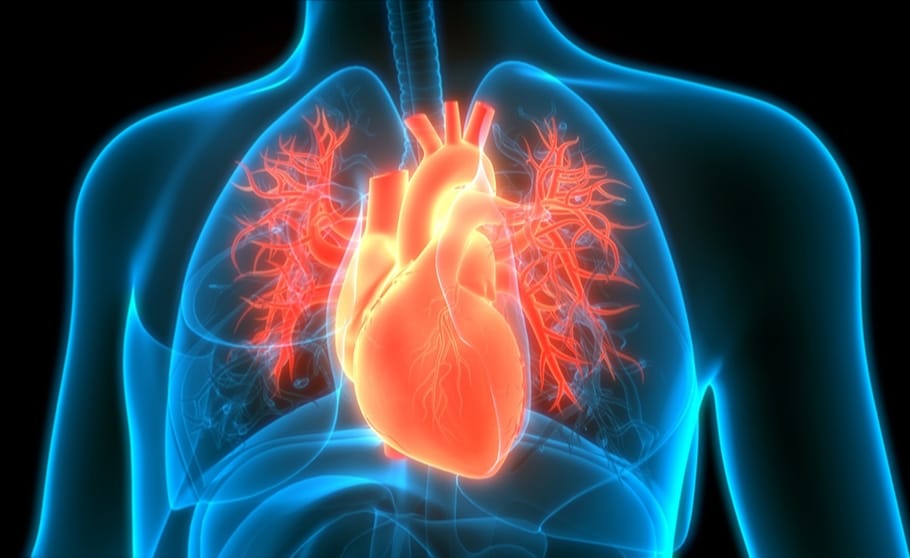
Keeps the heart and lungs healthy
Helps control weight and prevents obesity
Strengthens muscles and bones
Improves blood circulation and lowers blood pressure
Reduces the risk of diseases such as diabetes, heart disease, stroke, and certain cancers
Boosts mental health and reduces stress, depression, and anxiety
Enhances sleep quality
Increases energy levels throughout the day
Because of these benefits, exercise is not just for fitness lovers; it is essential for every person, regardless of age or body type.
How Much Exercise Do We Actually Need?
General Guidelines for Adults (18–64 years)

Experts like the World Health Organization (WHO) and the American Heart Association recommend the following:
1. At least 150 minutes of moderate exercise per week
Moderate exercise includes activities that increase your heart rate but still allow you to talk comfortably. Examples:
Brisk walking
Light cycling
Swimming
Dancing
Household chores that require movement (mopping, gardening, washing clothes by hand)
If you divide 150 minutes per week, it becomes:
30 minutes per day for 5 days, or
20–25 minutes per day for 7 days
This level is enough to maintain basic health and prevent lifestyle-related diseases.
2. OR 75 minutes of vigorous exercise per week
Vigorous activities make you breathe fast and sweat more. These include:
Running or jogging
Fast cycling
Aerobics
Intense sports (football, badminton, kabaddi)
This can be divided as:
15 minutes per day for 5 days
People who are already fit or want to lose weight faster can choose this.
3. Strength training at least 2 days a week
Strength training does not mean only lifting heavy weights in a gym. It includes any activity that strengthens muscles:
Bodyweight exercises like push-ups, squats, planks
Resistance band exercises
Yoga
Pilates
Weight training at the gym
This helps improve posture, bone density, and muscle strength.
Exercise Needs for Children and Teenagers
Children need more activity because their bodies are growing. The recommended level is:
60 minutes of physical activity every day
This can include:
Playing outdoor games
Running
Jumping
Cycling
Swimming
Sports (cricket, football, basketball)
At least three days a week, kids should do strenuous activities like running or fast cycling to strengthen muscles and bones.
Exercise Needs for Older Adults (65+ years)
The basic recommendation for adults also applies to seniors:
150 minutes of moderate activity per week
However, older adults should also add balance-improving exercises to prevent falls:
Tai Chi
Light yoga
Standing on one leg
Slow walking with balance focus
If any health condition exists, exercises should be adjusted after medical advice.
How to Fit Exercise into a Busy Life
Many people feel they do not have time to exercise, but small changes can make a big difference.

1. Break workouts into small chunks
If 30 minutes at once feels too much, try:
10 minutes in the morning
10 minutes in the afternoon
10 minutes in the evening
The effect is the same as doing it all together.
2. Choose activities you enjoy
Exercise does not need to be boring. Dancing, playing with kids, gardening, or cycling to work all count.
3. Increase daily movement
Take stairs instead of lifts
Walk during phone calls
Do small household chores
Park your vehicle slightly far and walk
These add extra calories burned without extra time.
How Much Exercise for Weight Loss?
For people who want to lose weight, the minimum recommended amount is often not enough. Experts suggest:
300 minutes of moderate exercise per week
This means:
1 hour per day for 5 days, or
40–45 minutes per day for 7 days
Combining cardio and strength training helps burn fat faster while preserving muscle.
Diet control is equally important; exercise alone cannot overcome unhealthy eating.
Signs You Are Doing the Right Amount of Exercise
You should feel:
More energetic
Better sleep
Reduced stress
Improved stamina
Better appetite
Fewer body aches over time
Exercise should make your body stronger, not exhausted or injured.
Conclusion
Regular physical activity is essential for a healthy and happy life. Most adults need at least 150 minutes of moderate exercise or 75 minutes of vigorous exercise per week, along with two days of strength training. Children need 60 minutes of activity daily, and older adults should focus on movement and balance. Exercise doesn’t require fancy gyms or equipment; even simple daily habits can make a big difference. By making movement a natural part of your routine, you can protect your heart, strengthen your body, improve your mind, and build a healthier future.