Bangladesh Will Not Play World Cup Matches in India: A Deep Dive into the Controversy
In a stunning development that has sent ripples through the cricket world and raised complex questions about sport, diplomacy, and security, the Bangladesh national cricket team has announced that it will not play its scheduled World Cup matches on Indian soil. This decision, centered on the upcoming ICC Men’s T20 World Cup 2026 — co-hosted by India and Sri Lanka — marks one of the most significant disruptions to an ICC event in recent history and underscores mounting tensions between the two neighboring nations.
The Spark: Mustafizur Rahman and IPL Controversy
The immediate catalyst for Bangladesh’s unprecedented stance was the controversial release of star pacer Mustafizur Rahman from his Indian Premier League (IPL) team, the Kolkata Knight Riders (KKR). Rahman had been purchased at a high bid and was set to be a marquee player for the franchise. However, under pressure — reportedly including direction from the Board of Control for Cricket in India (BCCI) — KKR removed him from the squad. This move triggered acute outrage in Bangladesh, both within cricketing circles and among political leaders.
Bangladesh’s government and cricket board saw this not as an isolated sporting matter, but as reflective of deeper tensions, citing concerns over fairness, respect for contracts, and player safety — especially amid rising geopolitical friction between the two countries.
Official Position of the Bangladesh Cricket Board
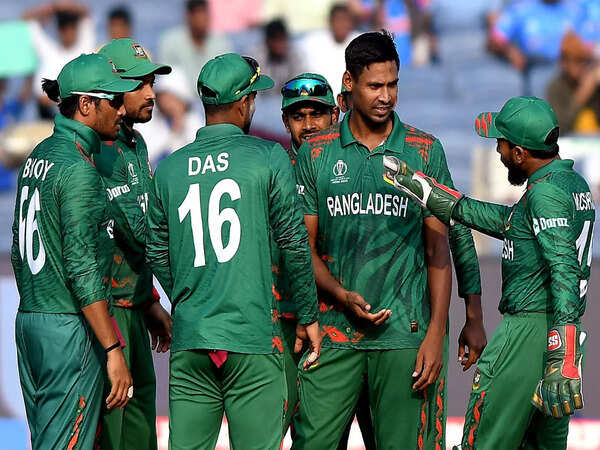
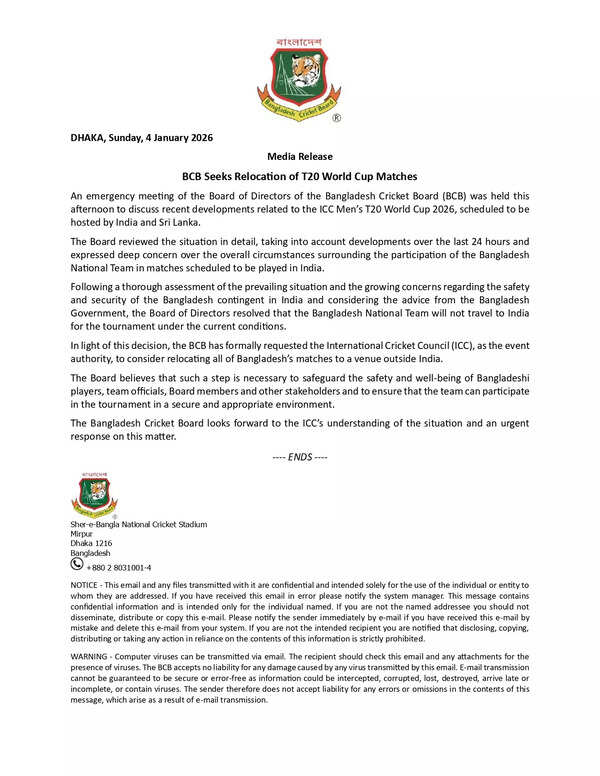
At an emergency meeting involving all 17 directors of the Bangladesh Cricket Board (BCB), a resolution was passed that the national team would not travel to India for the World Cup under current conditions. The BCB formally wrote to the International Cricket Council (ICC) requesting that all of Bangladesh’s scheduled matches be relocated — ideally to Sri Lanka, one of the co-hosts of the tournament.
The board cited “growing concerns regarding the safety and security” of its players and support staff if they were to participate in India. These concerns were grounded in both the IPL incident and broader diplomatic strain, including protests and political disagreements impacting bilateral relations.
Security Concerns: Real Threat or Perception?
A key question in this controversy is the nature and legitimacy of the cited security concerns. Bangladesh officials have tied their decision to broader social and political developments affecting relations between the two nations. They argue that if a Bangladeshi player cannot be assured safety and respect in a major Indian sporting league, the entire team’s security at a global event could not be guaranteed.
However, the ICC’s response has been cautious. In communications with the BCB, the governing body has expressed willingness to work with Bangladesh and address concerns through detailed security planning. The ICC emphasized that it remains committed to Bangladesh’s full participation in the tournament and did not immediately grant the relocation request.
On the other hand, some reports indicate that the ICC has evaluated the situation and found no credible security threats warranting a shift of venues. Based on this assessment, the ICC rejected Bangladesh’s request to move matches from India. If upheld, this could force Bangladesh to either play in India or face consequences under tournament rules.
Political and Diplomatic Overtones
The controversy has quickly transcended sports and entered the realm of international relations. Bangladeshi government advisers publicly endorsed the BCB’s decision, portraying it as a stand against what they described as “communal policies” and a protection of national dignity.
Indian political and cricket figures, meanwhile, have expressed frustration — both at the timing of the decision (given the tournament is only weeks away) and the mix of politics and sports. Some Indian commentators argue that Bangladesh’s threat to withdraw stems more from disappointment over the IPL incident than from genuine security risks. (References in reporting draw from varied media and commentary platforms.)
Reactions from Players and Fans
Across both nations, cricket fans have reacted passionately. Bangladeshi supporters tend to view the move as brave and principled, defending national pride and player welfare. Conversely, many Indian fans see it as unnecessary and driven by politics rather than sportsmanship. Heated debates rage on social media and discussion forums, illustrating how deeply cricket is woven into national identities in both countries. (For example, reactions on Reddit threads show polarized opinions on both sides.)
Implications for the World Cup
The ongoing dispute casts a shadow over the preparations for the T20 World Cup. If Bangladesh refuses to play in India and the ICC holds firm on match venues, key questions emerge:
Will Bangladesh forfeit their group matches in India? According to some reports, the ICC might enforce tournament rules that penalize non-appearance.
Will relocation talks continue? Even if the venue change is logistically difficult, intensive negotiations could unfold in coming days.
What precedent does this set? International tournaments have faced disruptions before, but a team refusing to play at scheduled venues just weeks before a major event is unusual and sets a notable precedent.
Looking Ahead
As the ICC, BCB, and BCCI engage in dialogue, the cricketing world watches closely. The next moves — whether diplomatic engagement, venue compromise, or enforcement of tournament rules — will shape not only this World Cup but broader South Asian sporting relations.
What is clear is that cricket, often celebrated for uniting nations, is now at the intersection of sport, security, and geopolitics. Bangladesh’s stand reflects deep anxieties but also raises broader questions about how international sports bodies manage political tensions while maintaining fairness and competitive integrity.