Bangladesh Unrest: Rioters Target Chhayanaut, Set it on Fire on Tagore’s Centenary; Bengal Artists Condemn Vandalism
Dhaka / Kolkata | December 20–21, 2025 — In a shocking episode of political unrest, Bangladesh’s iconic cultural institution Chhayanaut was vandalized and set on fire by violent crowds amid nationwide protests triggered by the death of a prominent student leader. The attack, which has sent ripples through the cultural and artistic fraternity of both Bangladesh and neighboring West Bengal in India, has been widely condemned as an affront to cultural heritage and freedom of expression.
A Night of Violence: What Happened at Chhayanaut
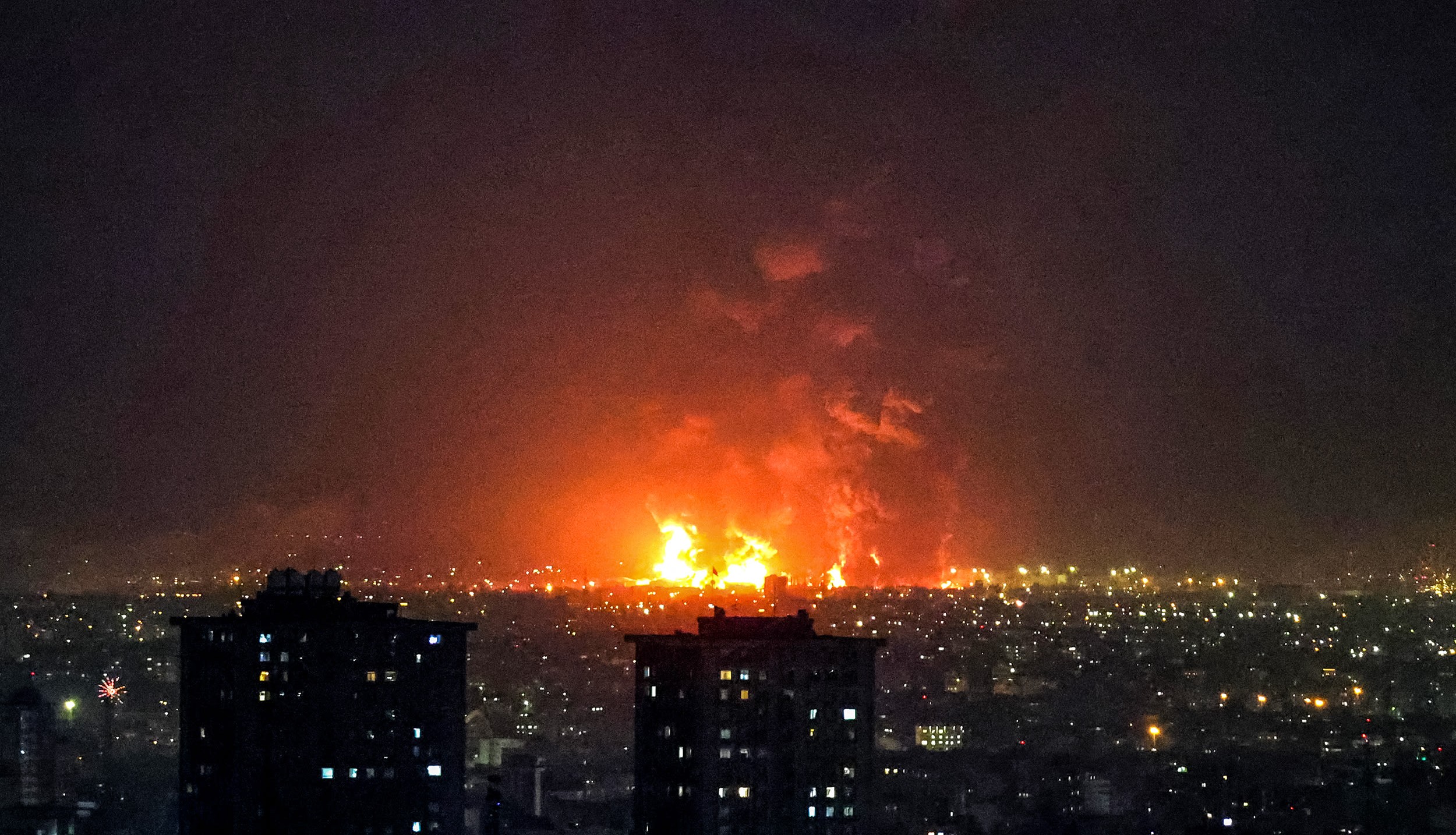
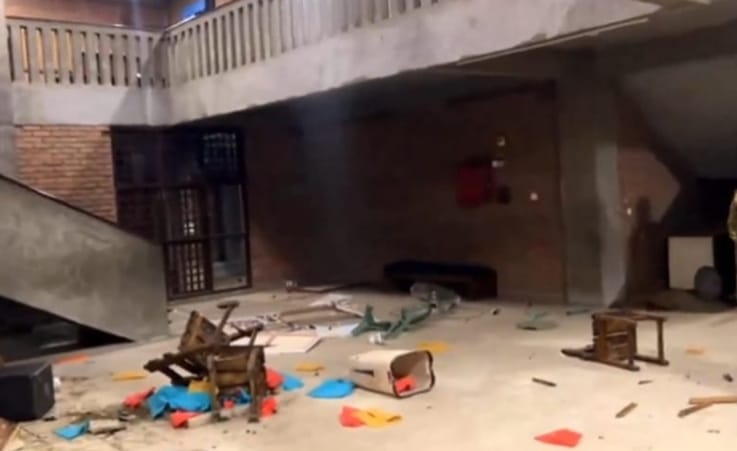
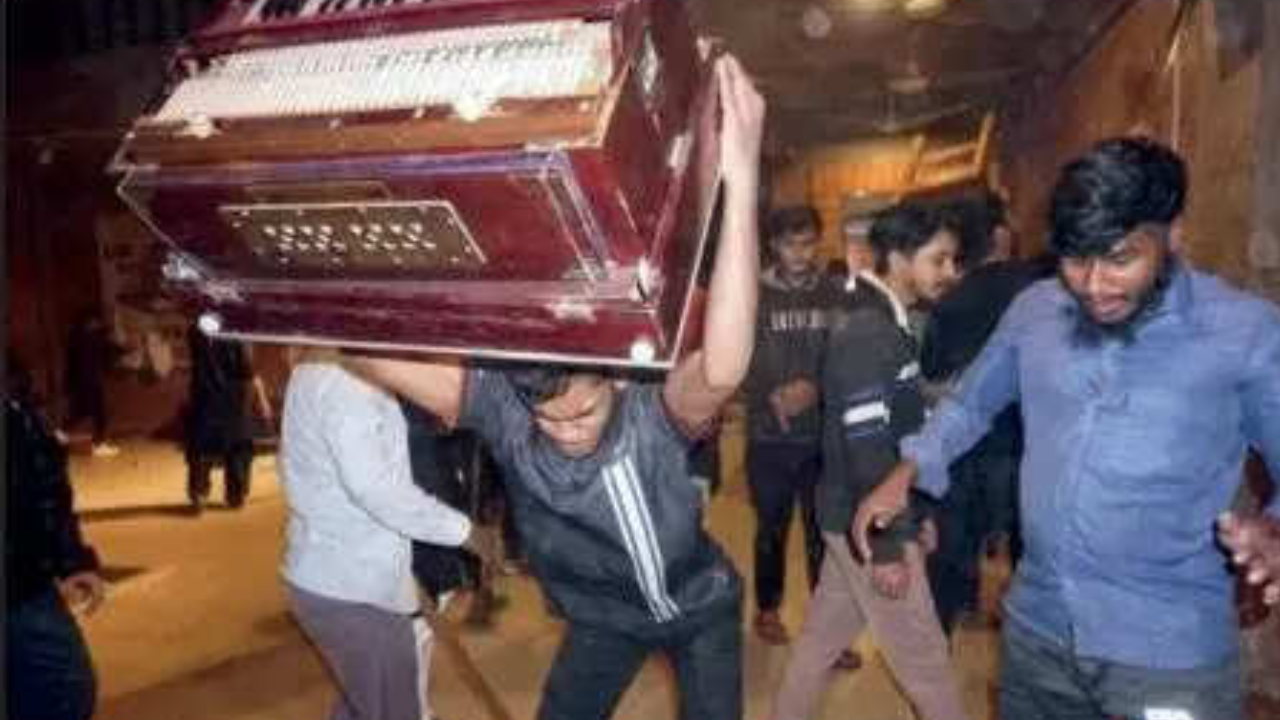
Late on the night of 19 December 2025, following an escalation in anti-government protests, a large crowd broke into Chhayanaut Sanskriti Bhaban, located in the Dhanmondi area of Dhaka. Eyewitnesses and police say the group vandalized nearly every part of the six-storey cultural centre — smashing furniture, musical instruments, books, computers, and surveillance cameras — and attempted to set parts of the building on fire. Music rooms, auditoriums, classrooms, and offices were extensively damaged.
According to police, 300 to 350 unidentified individuals are accused in the case filed by Chhayanaut management, with charges including vandalism, looting, attempted arson and destruction of property. Investigations are ongoing to identify and apprehend those involved.
The Business Standard
The attack occurred in the context of widespread unrest across Bangladesh following the death of Sharif Osman Hadi, a 32-year-old political and student leader associated with the Inqilab Moncho movement, who was critically injured and later died in hospital care abroad. The protests have grown into one of the most sustained periods of public disorder seen in the country since late 2024.
Chhayanaut: More Than a Cultural Institution
Chhayanaut is one of Bangladesh’s oldest and most respected cultural organisations. Founded in 1961, it has been central to the promotion and preservation of Bengali culture, music, and language. The organisation was originally established during celebrations marking the birth centenary of Rabindranath Tagore, whose philosophy and art remain central to Chhayanaut’s curriculum and ethos.
Over decades, Chhayanaut has played key cultural roles — from performing patriotic music to inspire freedom fighters during Bangladesh’s Liberation War to organising mass celebrations of Bengali festivals like Pohela Boishakh. It has been a pillar of secular cultural life in Bangladesh.
The Business Standard
The attack has not only destroyed valuable instruments, books, and archival material — some likely irreplaceable — but also symbolised an assault on the very idea of a plural and creative cultural space that transcends political divides.

Cultural and Civil Society Outrage
The vandalism of Chhayanaut has sparked widespread outrage among artists, journalists, intellectuals and civil society both inside Bangladesh and across the border in West Bengal, India.
In Dhaka, journalists’ bodies and rights organisations have drawn attention to concurrent attacks on major media outlets, including Prothom Alo and The Daily Star, describing the combined acts as assaults on both freedom of expression and public access to information and culture. Transparency International Bangladesh and other civil society groups have demanded accountability and protection for cultural and press institutions targeted in the unrest.
Leading international watchdogs like the Committee to Protect Journalists (CPJ) and Article 19 have also expressed alarm over these violent attacks, warning that such assaults undermine democratic norms and fundamental freedoms.
Local Response: From Protest to Song
In a striking demonstration of cultural resistance, students, teachers, and alumni of Chhayanaut and its associated school Nalanda gathered outside the scorched building the following day. Standing amid charred debris, they sang Rabindranath Tagore’s songs, transforming their grief into a collective cultural protest.
Renowned Bangladeshi musician Shayan Chowdhury Arnob, among others, called for “civic action” — especially participation in democratic processes — as a way to protect artistic spaces from the cycles of political turmoil. He criticised political apathy and urged citizens to see the protection of culture as integral to the country’s future.
Condemnation From Bengal’s Cultural Fraternity
Across the border, artists and cultural organisations in West Bengal have voiced strong condemnation of the violence. Bengal’s cultural fraternity — long bound to Bangladesh through shared language, literature, and artistic heritage — expressed deep concern that the destruction of a heritage institution on the centenary of Tagore’s birth anniversary celebrations is a regressive step that undermines the shared cultural legacy between the two Bengals.
Prominent writers, musicians, and cultural activists have argued that targeting Chhayanaut — a space synonymous with progressive art and secular values — represents a worrying escalation where cultural symbols become targets in political conflicts.
Political Context and Broader Tensions
The attack on Chhayanaut is part of a broader wave of unrest that has engulfed Bangladesh since the death of Osman Hadi. Protests have erupted nationwide, and beyond cultural sites, activist gatherings have spilled into violent confrontations with security forces. Major media houses have been vandalized, parts of historic residences linked to the founding father Sheikh Mujibur Rahman were attacked, and highways were blocked by demonstrators.
Analysts see the unrest as both a political crisis — intensified by upcoming elections — and a societal rupture where fault lines between secularism, nationalism, and political ideology are being violently expressed.
A Turning Point for Culture, Democracy and Peace
The vandalism of Chhayanaut has become more than an isolated incident — it is now a symbol of the challenges facing Bangladesh at a critical moment in its democratic transition. Cultural institutions, often seen as neutral spaces that foster dialogue and identity, are suddenly vulnerable in an increasingly polarized environment.
In calling for justice and protection of free expression, artists and citizens alike underscore a fundamental truth: culture is not merely entertainment, it is the collective memory and conscience of society. As Bangladesh navigates the current unrest, the fate of institutions like Chhayanaut will likely serve as a barometer of how the nation chooses to balance political dissent with preservation of heritage, freedom, and pluralism.