
Migrant Worker Lynched in Kerala After Being Mistaken as “Bangladeshi”: A Brutal Act of Vigilantism and Prejudice
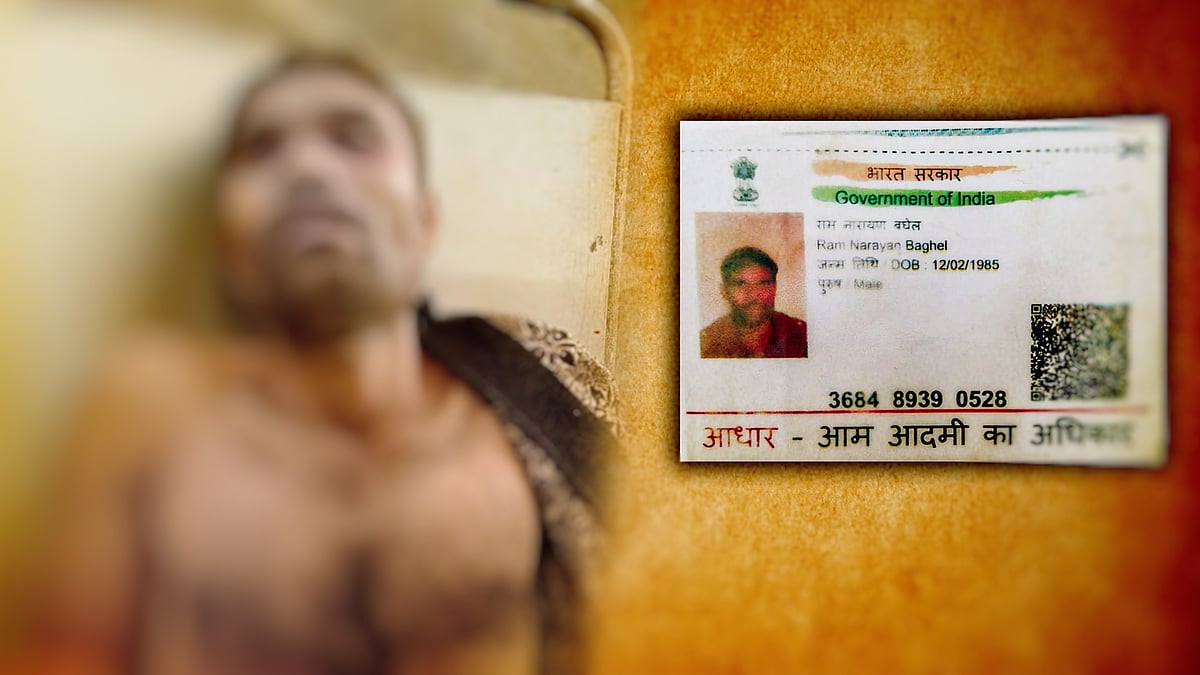
In a shocking and deeply disturbing incident that has sparked nationwide outrage, a 31-year-old migrant worker from Chhattisgarh was lynched to death by a mob in Kerala’s Palakkad district after locals allegedly mistook him for a Bangladeshi national. The brutal episode unfolded on December 17, 2025, in the Attappallam area under Walayar police limits, where the victim — identified as Ramnarayan Baghel — was intercepted by a group of local residents, questioned, and violently assaulted on suspicion of theft and presumed illegal foreign origin.
According to police and media reports, the attack was filmed by one of the assailants, and the harrowing 30-second clip quickly circulated online, drawing widespread condemnation. In the video, men can be heard repeatedly asking Ramnarayan “Are you a Bangladeshi?” and mocking his inability to respond coherently, before resuming the ferocious beating.
The Attack and Its Immediate Aftermath
Ramnarayan, a native of Sakti district in Chhattisgarh, had travelled to Kerala just days earlier in search of work. His cousin has stated that he had arrived around December 13 and was staying with relatives while trying to find employment. Police clarified that he had no criminal record and was not found in possession of any stolen property at the time of the assault.
The mob’s violence was extreme. A post-mortem examination revealed that Ramnarayan’s body bore more than 80 injury marks from head to toe, including severe head trauma and multiple deep wounds. Doctors at the Thrissur Medical College reported that he died due to excessive bleeding and blunt-force injuries sustained during the assault. Blood was also seen oozing from his chest as he was beaten.
After the assault, Ramnarayan collapsed and was taken to the Palakkad District Government Hospital, where he later succumbed to his injuries. The police initially took several locals into custody, and by December 18, a formal murder case was filed under the Bharatiya Nyaya Sanhita (BNS). Five men — Murli, Prasad, Anu, Bipin, and Anandan, all residents of the village — have since been arrested and remanded in judicial custody.
Where Blame Lies: Theft or Xenophobia?
Official police statements initially framed the assault as triggered by suspicion of theft, with locals claiming that Ramnarayan was seen in the vicinity of multiple houses shortly before the attack. However, no stolen items were recovered, and investigators have focused instead on the chilling aspect of the questioning — where locals conflated suspicion of criminal activity with xenophobic assumptions about foreign identity.
Video footage showing the repeated refrain of “Bangladeshi” raised alarm about the role that prejudices and misinformation played in provoking the violence. Whether the assault was motivated primarily by alleged criminal suspicion or by deeper biases against migrants and perceived “outsiders,” the fatal outcome reveals a terrifying overlap between vigilante justice and xenophobic scapegoating.
Rights activists and political leaders have stressed that the case is not just a crime, but also a symptom of broader societal ills — including fear of foreigners, misinformation, and the stigmatization of migrant labourers.
Political and Governmental Response
The incident has drawn sharp political responses. Kerala Chief Minister Pinarayi Vijayan condemned the lynching as “unacceptable in a progressive society” and pledged that strict action would be taken against those responsible while also announcing compensation for the victim’s family. Reports indicate that the government has offered at least ₹10 lakh in compensation — a gesture made more significant after the family initially refused to accept Ramnarayan’s body until justice is assured.
Local government minister M.B. Rajesh, a member of the Communist Party of India (Marxist), went further by publicly attributing the lynching to the “hate politics” of the Sangh Parivar, alleging that some assailants had links to organisations associated with right-wing ideology and had been involved in other violent incidents. He claimed that the victim was stigmatized and attacked because of racial hatred amplified by political narratives against immigrants.
Opposition leaders and civil rights activists have echoed the call for swift justice and broader measures to protect migrant labour communities. Some have urged that the case be registered under the Scheduled Castes and Scheduled Tribes (Prevention of Atrocities) Act, given Ramnarayan’s Dalit background and the dynamics of targeted violence.
Wider Context: Lynching, Migrant Vulnerability, and Xenophobia
This lynching reignites painful memories of previous mob violence in Kerala and across India, where individuals have been attacked based on rumours, suspicion of theft, or presumed religious or ethnic identity. The case of Madhu, a tribal man lynched in Palakkad in 2018 over false theft allegations, remains etched in public memory and is frequently referenced in discussions about mob violence and justice system failures.
Migrant workers — often coming from economically disadvantaged backgrounds to seek employment — occupy a precarious position in Indian society. They typically lack social safety nets, are unfamiliar with local languages and customs, and are easily targeted by misinformation, rumours, and prejudice. This vulnerability is exacerbated when public discourse stokes fear of outsiders — whether based on nationality, religion, or ethnicity. The disturbing video from Palakkad amplifies concern over how xenophobic attitudes can transform suspicion into deadly violence.
Human Cost and Call for Change
Ramnarayan leaves behind his wife Lalita and two young sons, aged eight and ten — children who have lost their father while he was trying to earn a livelihood far from home. Family members and activists have urged authorities to ensure comprehensive support, including compensation and legal protection, as well as measures to curb vigilantism and discriminatory behaviour against migrant communities.
Legal experts stress that the incident underscores the need for robust mechanisms to protect human rights, labour rights, and rule of law, especially for marginalised groups. They argue for improved law enforcement training on mob control, clearer public messaging to deter prejudiced vigilantism, and stronger social support systems to integrate migrant workers into local communities rather than isolate and vilify them.
Conclusion
The lynching of a migrant worker in Kerala — borne out of mistaken identity and compounded by prejudice — is a stark reminder of the dangers of mob justice and xenophobic sentiment in a democratic society. As the police investigate and await further arrests, and as the Kerala government moves to compensate and support the victim’s family, it is imperative that this tragic death prompts meaningful reflection, policy action, and societal change to ensure that no one seeking honest work is ever subjected to such brutality again.