
Kolkata’s Maidan Surpasses Delhi in Air Pollution: A Wake-Up Call for Urban India
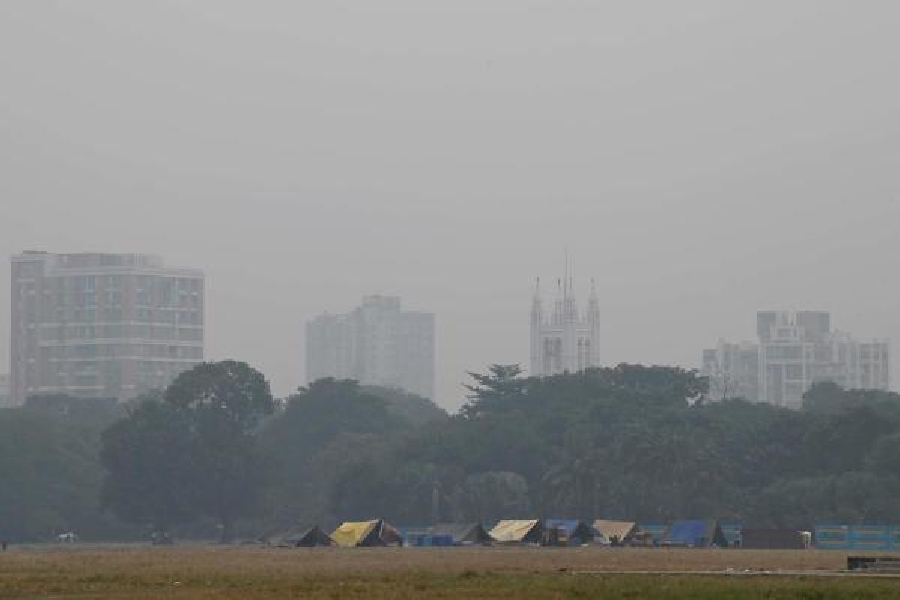
In an unprecedented turn of events this winter, Kolkata’s air quality in and around the Maidan — the city’s iconic green lung — surpassed that of New Delhi, a city long synonymous with hazardous smog and toxic air. On December 10–11, 2025, air quality monitors near the Victoria Memorial, the Maidan’s historic precinct, recorded an Air Quality Index (AQI) of 342, placing it firmly in the “hazardous” category. On the same day, Delhi’s AQI hovered below this level, underscoring an alarming reversal of typical pollution patterns in India’s major metropolitan hubs.
Free Press Journal.
For decades, Delhi has been the poster child of air pollution in India, with its winter smog episodes frequently breaking AQI records and triggering public health emergencies. Yet recent data reveals a rare moment where Kolkata’s air was even more toxic than the national capital’s, highlighting how urban air quality crises are no longer isolated to one mega-city but are spreading across the country.
Urban Acres
Understanding the Numbers
The AQI — a composite index that reflects concentrations of multiple pollutants — designates values above 300 as hazardous, meaning that everyone may experience serious health effects and the entire population is at increased risk. An AQI of 342 in Kolkata indicates not only a level higher than Delhi’s air that day, but also one that is dangerous by any public health or scientific standard.
Free Press Journal.
Experts point out that PM2.5 particulate matter — tiny particles less than 2.5 microns in diameter — was a principal contributor to the toxic readings. These particles penetrate deeply into the lungs and bloodstream, and are linked to respiratory, cardiovascular, neurological, and even developmental diseases.
Urban Acres
Why Is Kolkata Experiencing Such Severe Air Pollution?
1. Seasonal and Meteorological Factors
Winter weather plays a significant role in worsening air quality in much of northern and eastern India. Cooler temperatures lead to temperature inversions, where a layer of warmer air above traps pollutants close to the ground. Low wind speeds and calm atmospheric conditions further prevent dispersion of pollutants, creating stagnant air that quickly fills with particulate matter.
The Times of India
Kolkata’s geography compounds this problem. The city sits on the low-lying Gangetic delta with high humidity and relatively weak wind patterns during winter — conditions that inhibit air circulation. Once emissions accumulate, they can remain airborne for days unless washed out by rain or strong winds.
Reddit
2. Emissions from Multiple Sources
Several human activities contribute to the dramatic spike in air pollution levels:
Vehicle emissions: Kolkata’s dense traffic and aging transport fleet emit high levels of nitrogen oxides and particulates.
Construction dust: Ongoing large-scale projects, including metro expansion and building works, generate massive dust plumes.
Biomass and waste burning: Burning leaves, grass, and other biomass in open areas around the Maidan and adjacent neighborhoods releases smoke and fine particles directly into the breathing zone.
Free Press Journal
Industrial emissions: Factories and small industries on the city outskirts discharge pollutants that drift into urban neighborhoods.
These sources collectively pump large quantities of fine particles into the air, overwhelming the city’s limited natural mechanisms for dispersal, especially in winter.
Urban Acres
Health & Social Impacts
Immediate Health Risks
An AQI above 300 is far beyond the “safe” threshold set by both Indian standards and the much stricter guidelines of the World Health Organization (WHO). Daily exposure to such polluted air can lead to:
Increased respiratory irritation and asthma attacks
Higher rates of cardiovascular events like heart attacks and strokes
Aggravation of chronic conditions such as bronchitis, COPD, and even diabetes-related complications
Children, the elderly, pregnant women, and people with pre-existing health conditions are especially vulnerable to these effects.
IQAir
Long-Term Public Health Concerns
Prolonged exposure to high PM2.5 levels is associated with premature death and increased morbidity from lung cancer, heart disease, and systemic inflammation. A 2024 study on Indian cities found that air pollution contributes to tens of thousands of annual deaths, particularly in major urban centers.
www.ndtv.com
Historical Context: Kolkata’s Air Quality Trends
While this recent spike grabbed headlines due to the comparison with Delhi, Kolkata’s air quality has been a recurring concern. Over past winters, parts of the city — particularly around Victoria Memorial — have consistently shown worse pollution than other zones, often due to local emissions and weather factors.
The Times of India
Moreover, environmental groups have previously highlighted issues like grass and leaf burning across Maidan grounds, urging authorities to enforce stricter controls to protect both public health and historic green spaces.
The Times of India
However, it’s worth noting that Kolkata’s air quality has also shown periods of relative improvement in recent years due to targeted pollution control measures under the National Clean Air Programme (NCAP). Yet, these gains are fragile and easily undone during seasonal peaks.
Mahakali Tribunal
Government Response & Policy Implications
The dramatic spike in Kolkata’s pollution levels has prompted calls for urgent action from environmentalists, health experts, and civic bodies. Suggested measures include:
Strengthening emission controls on vehicles and industrial sources
Strict enforcement of waste burning bans
Dust control measures at construction sites
Real-time air quality monitoring and public alerts
Expanded green buffer zones and tree plantation drives
There is also a broader recognition that urban India’s air quality crisis cannot be addressed in isolation. National and regional strategies must consider cross-sectoral interventions, including cleaner energy transitions, public transport reforms, and community awareness campaigns.
IQAir
A Broader National Challenge
Kolkata’s recent pollution episode is part of a worsening national air quality landscape. Data from air quality networks across India show that many cities regularly record AQI levels in the “poor” to “hazardous” categories during winter months, with PM2.5 concentrations far exceeding WHO safe limits across the country.
IQAir
While Delhi continues to be one of India’s most polluted capitals overall, the fact that Kolkata — historically less associated with severe smog — can outpollute it even briefly indicates a troubling shift. It underscores that air pollution is no longer solely a northern or Delhi-centric problem, but a nationwide public health emergency.
Conclusion
The recent surge in Kolkata’s air pollution, particularly around the Maidan and Victoria Memorial, serves as a stark reminder that urban air quality in India is deteriorating rapidly. When Kolkata temporarily surpassed Delhi in AQI — a city long notorious for toxic air — it highlighted the urgent need for coordinated action across government, industry, and civil society.
Addressing this complex challenge will require sustained efforts: robust emissions regulations, systemic shifts toward cleaner technologies, real-time pollution tracking, and, crucially, public engagement in emission reduction efforts. Without decisive action, Kolkata’s winter skies — like those in Delhi — may continue to remain shrouded in smog, posing a severe threat to the health and well-being of millions.